Ask Chad

Whether you are buying, selling, relocating, retiring, or living in Panama, you will find straightforward answers here.

Every answer is grounded in firsthand experience with Panama real estate and relocation: honest, unbiased, and no pressure.

Browse by Topic

Pick a topic to jump straight to its questions. The full library below is grouped the same way.

Question Library

Questions & Answers

These are the questions I hear most often from buyers, retirees, investors, and sellers considering Panama, answered plainly and honestly. Search by keyword, location, or topic, or browse by category, then expand any question for a direct answer and the resources I would point you to.

Moving to Panama

5 questions

For many retirees, yes, but whether it is right for you depends on your priorities. Panama offers a warm climate, a low cost of living relative to most of North America, modern healthcare in the cities, and a dollar economy, all within a short flight of the U.S. and Canada. The trade-offs are real too: heat and humidity, a language barrier in many areas, and being farther from family and friends.

Retirees tend to do best when they visit first, rent before committing, and choose a region that matches their lifestyle. Our complete guide to retiring in Panama covers costs, visas, healthcare, and the practical realities.

Panama is a great place to live for many people, but it is not for everyone, and the honest answer is that the realities take some adjusting to. The heat and humidity are the first thing most newcomers notice, and they are constant in the lowlands, including Panama City and the beach areas. Bureaucracy is real: government offices move at their own pace, and paperwork often requires patience and sometimes a bilingual helper. Spanish matters more than many people expect, especially outside the expat bubbles and for anything involving contractors, clinics, or officials. Infrastructure is improving but uneven, so power, water, and roads vary by region, and service standards can be slower than North Americans expect. And for most expats, family is far away, which adds an emotional cost no budget can cover.

None of these are deal breakers for everyone, but they are genuine trade-offs worth weighing honestly. Our guide to the best places to live in Panama covers how these realities differ by region.

Most relocation problems come from rushing a decision that should take time. The biggest mistake is buying property before living in the area, since a two-week vacation does not tell you what a place is like across its seasons. Choosing a region on photos or hearsay instead of experiencing it is a close second. Climate and infrastructure differences catch people off guard: the heat, the rain, the roads, and the pace of everyday life are not hypothetical. Legal due diligence also gets skipped too often, whether that means a clean title, proper permits, or the exact location and boundaries of a property. And budgets are frequently optimistic, with people underestimating utilities, maintenance, healthcare, and travel home.

The practical fix is simple: rent first, budget with a cushion, and get a qualified lawyer involved before any money changes hands. The guides on renting before buying and on checking property title in Panama address the two most common mistakes directly.

Making friends after a move takes intention, and Panama makes it easier if you try. In the main international areas, Panama City, Coronado, Boquete, and the beach corridor, there are established communities of foreign residents, with clubs, volunteer groups, language exchanges, and hobby groups. Learning Spanish is the single most useful step, because it opens local relationships and everyday life. Outside the popular areas, in smaller beach or mountain towns, the community is smaller, so your social life depends more on your own initiative: introduce yourself to neighbours, join local activities, and be patient. The experience genuinely differs between urban, beach, mountain, and rural settings, so match your expectations to the place. I would not rely on promises about how easy it will be; treat it as a project you invest in. The best places to live guide helps you compare the social settings.

Panama and Costa Rica are both strong retirement choices, and which is better depends on what you most value, not on a single winner. Panama generally offers a lower cost of living, a dollar-based economy, strong US ties, and an established Pensionado program with broad discounts, while Costa Rica is known for its mature expat communities, environmental and natural beauty, well-regarded healthcare, and a stable democracy. Both have workable residency options, warm highland and coastal climates, and Spanish as the main language, and life varies widely within each country, so a beach town and the capital differ more than the two countries do in many ways. Panama's property market is the focus of this site, but an honest comparison also gives Costa Rica its due, including its strong points, and notes Panama's drawbacks, such as the heat and humidity in parts of the country. The Panama versus Costa Rica guide and the retiring-in-Panama guide compare the two in depth.

Cost of Living & Finances

7 questions

There is no single figure, because comfort has a different price in different parts of the country. Your budget is shaped mostly by where you live, what kind of housing you want, and how often you eat out, travel, and use private healthcare. Panama City carries a higher cost, especially in the newer neighborhoods, while Pacific beach towns and the mountain highlands generally cost less. Utilities, groceries, and local transport are modest by North American standards, and the economy runs on the U.S. dollar, which simplifies budgeting for people whose income is in dollars, while Canadians and others earning or converting other currencies remain exposed to exchange-rate movements.

For a realistic picture, our cost-of-living guide sets out dated figures by region, and I recommend building your own monthly budget from those before you commit. I am happy to talk through what a comfortable lifestyle looks like for your situation.

For electricity, water, and internet, the honest answer is that bills depend on where you live, how much you use air-conditioning, and which provider serves you. A new regulated electricity tariff framework approved by Panama's regulator ASEP took effect September 1, 2026, and runs through the 2026 to 2030 tariff period. In the September to December 2026 rates, each distribution company charges a small monthly fixed fee and a per-kilowatt-hour rate in consumption blocks: in the main residential block, the energy charge runs from roughly B/.0.176 to B/.0.192 per kWh depending on the distributor (EDEMET serves the west side of the capital region and the Pacific beach corridor, ENSA serves the east, Colon and Darien, and EDECHI serves Chiriqui and Bocas del Toro). Separately, the government approved around $32 million in additional contributions to the Tariff Stabilization Fund, applied as an 'Additional State Contribution' credit on customer bills from September through December 2026, which protects most households with consumption up to about 300 kWh from the adjustment; a separate fund covers much of Chiriqui and Bocas del Toro, and around 76% of consumers see no increase in this period. As a calculated example, not a quote: at the published September to December rates, roughly 300 kWh of monthly consumption comes to about $55 in energy charges plus the fixed fee, before the state credit, and a larger house running air-conditioning much of the day can pass 700 kWh and $130 in energy charges before the credit. Air-conditioning is normally the largest share of any bill. Water remains modest: IDAAN meters residential use in blocks, with a low rate around B/.0.21 per cubic meter in Panama and Colon and slightly less in the interior, rising for heavy use. Fiber internet plans from +Movil, Tigo and others commonly run from about $30 to $60 a month depending on speed, with Starlink an option where fiber does not reach. Tariffs and credits change each semester, so check ASEP's current published tariffs and the state credit applicable to your consumption, ask the current owner for the actual utility history of a home you are considering, and verify current plan prices with the providers. ASEP publishes the regulated tariffs at https://asep.gob.pa/direcciones/services/tarifas-de-electricidad/tarifas-para-clientes-regulados/ and the government's announcement of the state contribution is at https://www.mef.gob.pa/2026/09/el-estado-protege-a-usuarios-ante-el-ajuste-de-la-tarifa-electrica/.

Maintaining a home near the ocean in Panama is mostly a battle against salt air and humidity, and the honest answer is that upkeep costs more than in the city. Salt-air corrosion attacks air-conditioning units, metal fittings, wiring, and outdoor fixtures, which shortens their working life. Roofs, exterior paint, and sealants need more frequent attention, and every property near the coast benefits from a clear maintenance schedule. A house means you own all of it: roof, air-conditioning, water heater, landscaping, pest control, and exterior painting, all on your budget. A condominium shifts much of that to the association, which charges a monthly maintenance fee that can be substantial and tends to rise over time. Pools, if you have one, add chemicals, equipment, and cleaning, and landscaping near the coast often favours salt-tolerant plants. Coastal insurance is worth reviewing carefully, since wind and water risk affects premiums and coverage. I do not publish generic maintenance budgets, because actual costs depend heavily on the specific property, but the oceanfront guide and the cost-of-living article give the useful context.

Yes, foreigners can open a bank account in Panama, but approval is bank-specific and never guaranteed. Banks typically ask for your passport, usually with a second form of identification, proof of income such as pension statements, employment letters or tax returns, and details on the source of funds you plan to deposit, and new accounts go through compliance and risk interviews. Requirements differ between banks, so a document one branch accepts may not satisfy another. Practical points: an account helps you receive foreign pensions and transfers, pay local bills, and manage a purchase, and because Panama uses the US dollar, moving funds between US-dollar accounts involves no currency conversion. But if you send money from a country using another currency, such as Canada, you remain exposed to the exchange rate, currency spreads, and whatever transfer or bank fees apply, so factor those into any money you move here. Open your account in person where possible, ask about minimum balances and fees, and confirm exactly what the specific bank wants before you travel. The guide on transferring money to buy property in Panama explains how funds move in practice.

Panama taxes on a territorial basis under Article 694 of the Fiscal Code: income produced inside Panama is taxed here, while income from foreign sources is generally not, so an overseas pension is normally outside Panamanian income tax. But territoriality is not a blanket exemption, and two points matter. First, the classification depends on where the income is produced rather than where the payment originates, so work or services actually performed in Panama can still have Panamanian income-tax implications even when the employer or payer is abroad; remote work arrangements should not be assumed tax-exempt without review. Second, time spent in the country relates to tax residency: presence in Panama for 183 days or more in a calendar year can make you a tax resident and bring reporting duties, but cross-border, it is the nature and source of the income, not simply the number of days, that determines what is taxed where. Your home country's rules also continue to apply, especially for US citizens taxed on worldwide income and for Canada until residency status changes. Because your position depends on your nationality, income source, where the work is done, and how long you stay, work with a cross-border accountant or tax adviser who knows both Panama's tax authority (the DGI) and your home country. The property tax guide and the retirement guide add useful context.

Whether a couple can live comfortably in Panama on $3,000 a month depends on your lifestyle and, above all, where you live and what housing you already own. The biggest variable is the home. As a dated reference point, 2026 asking rents for a furnished one-bedroom apartment in central Panama City commonly run from roughly $1,200 to $1,500 a month in mid-range neighborhoods, while premium areas such as Punta Pacifica and Costa del Este run higher, some neighborhoods run lower, and unfurnished or older units often cost less, so treat those figures as a market snapshot, not a universal starting price. A couple can also find more space for less in Coronado, Boquete, or other smaller towns, which changes the math completely. Budgeting realistically means covering rent or ownership costs, private health insurance, utilities, transport, groceries, and eating out, then leaving room for the unexpected. Owners who already have their home paid off generally live much more easily on $3,000 a month than renters, and insurance costs rise with age. Treat any monthly figure as a scenario to plan around, and build your own line-by-line budget before you move. The cost-of-living guide and the location guides let you compare the realistic picture by area.

The cost of owning a car in Panama depends heavily on the vehicle you choose and where you drive it, so it pays to plan beyond the sticker price. You face the purchase price, plus costs that recur each year: mandatory insurance, annual registration and, where applicable, inspection, plus fuel, maintenance, tolls, and occasional repairs. Maintenance tends to be higher for larger or more complex vehicles, and everyday driving costs are higher in Panama City, where you also contend with traffic and parking, than in smaller towns where a car may be optional. Panamanian used-car prices generally run higher than in the United States, so many people compare carefully or ship a vehicle in. Because prices move, verify current figures with local dealers and insurers before you commit, and match the vehicle and its running costs to your actual driving needs. The transfer guide and the cost-of-living article give useful context on everyday finances.

Where to Live in Panama

9 questions

The honest answer is that the best place depends on the lifestyle you want. Panama City suits people who want convenience, strong healthcare, and the most options for dining and entertainment. Coronado and the Pacific beach corridor offer warm beaches, golf, and a settled expat community a short drive from the capital. Boquete and the Chiriqui highlands appeal to those who prefer a cooler mountain climate, gardens, and outdoor life. Bocas del Toro is for the island lifestyle. Each has trade-offs in climate, cost, and access to services, so the right choice is personal.

Our guide to the best places to live in Panama breaks down the main options, and I can help you compare them against your priorities.

It comes down to beach or mountains. Coronado sits on the Pacific coast with warm weather, golf, a large and active expat community, and easy access back to Panama City. Boquete sits in the Chiriqui highlands with a cooler climate, green valleys, coffee farms, hiking, and a slower pace of life. Retirees who love the ocean and social life tend to choose Coronado; those who want mountain air and nature usually prefer Boquete.

Both are popular for good reasons. The comparison guide and each location page give you the detail to weigh them fairly.

Coronado, Punta Barco, and San Carlos are three distinct Pacific beach communities, and the right one depends on how much town you want around you. Coronado is the most developed, with supermarkets, restaurants, a pharmacy, and a golf and beach club nearby, which makes it the most convenient for everyday errands and home to a settled expat community. San Carlos is quieter and more spread out, popular for weekend and vacation homes, with less commercial infrastructure and a more laid-back feel. Punta Barco sits between the two in spirit: a residential beach community with fewer services of its own, which means driving a bit farther for shopping and healthcare. Travel works the same way for all three, via the Pan-American Highway corridor, and beach access varies by development rather than by town, so look at the specific property.

The Coronado, Punta Barco, and San Carlos location pages lay out each area, and I can help match a specific property to your priorities.

El Valle de Antón, Boquete, and Volcán all offer cooler mountain living, but they feel quite different. Boquete is the most developed, with the largest expat community, the widest range of restaurants, cafes, and services, and a cool, misty climate; it is also the busiest. El Valle sits inside a volcanic crater, is smaller and sleepier, and is the closest to Panama City at about a two-hour drive, which suits people who want mountain air with easier access to the capital. Volcán is the most agricultural and the least developed, with simpler services and the quietest pace, near Volcán Barú national park. Healthcare access depends on the region and on the medical need. Residents of Boquete and Volcan commonly use the hospital city of David, a drive down from the highlands, for routine and more specialized care. El Valle de Anton has its own local clinics, and residents typically look to the Coronado and San Carlos corridor for more services, with Panama City the destination for the most specialized treatment. In every case, the right facility depends on what you need, your insurance, and how far you are willing to travel, so the honest advice is to map your nearest clinic, your closest full-service hospital, and your options for specialized care before you choose. All three offer hiking, waterfalls, and outdoor life.

The Boquete, El Valle de Antón, and Volcán location guides cover each town in detail, and I would weigh how often you need services before choosing.

Gated communities in Panama are popular for good reason: controlled entry, on-site security personnel, and amenities like pools, clubhouses, green areas, and sometimes golf. In return, residents pay monthly maintenance fees, follow community rules about use and appearance, and live with the trade-offs of managed living. It is important to be clear-eyed: gated access reduces casual traffic, but it does not guarantee safety, and security standards differ substantially between developments, so check who actually guards the gate, whether patrols exist, and how the association is run. Review the financial health of the association, because low fees today can mean special assessments tomorrow, and read the community rules before you buy. For many buyers, especially those who are away part of the year, a well-run gated community is a genuinely good fit; for others it feels restrictive. The condominium versus house guide and the safety article give useful context.

Panama City and the Pacific beaches offer two genuinely different lives. The city is where the services are: the best hospitals, the widest shopping and restaurant scene, banks, international schools, the metro, and everything on demand. In exchange you take on traffic, towers, and the pace of a capital. The beach corridor, with Coronado at its center, offers space, nature, a quieter pace, and the ocean, with a growing but thinner set of services; specialists and complex care generally mean a trip to the city. Climate differs too, with breezes near the coast but the same seasons, and daily life leans more on driving. The honest way to choose is to think about what most of your weeks actually look like: if you need city services daily, start there; if your priority is space and water, start at the coast. Many buyers split the difference. The comparison article and the location guides for Panama City and Coronado help you map it to your life.

Families usually balance schools, activities, healthcare, and space, and Panama offers different trade-offs. Panama City has the widest choice of international and private schools, the best hospitals, and the most activities for children, at the cost of traffic and density. Panama Pacifico is a planned community near the city with a family-oriented layout, parks, and a growing set of services. Coronado and the beach corridor offer more space and a relaxed pace, with schools and clinics that serve the community, and the city within reach for specialized care. Housing costs differ too, with more space per dollar outside the capital. I do not rank schools or neighborhoods, because the right fit depends on your children's ages, your budget, and how much commuting you accept. The location guides for Panama City and Coronado, the best places to live guide, and the healthcare guide for expats are good starting points.

Pedasi and Bocas del Toro both offer coastal living, but they are almost opposites. Pedasi sits on the Azuero Peninsula on the Pacific side: a drier climate, a quiet town pace, and a growing international community. Reaching it from Panama City is a substantial journey, roughly five hours by road under typical conditions, subject to traffic and road quality, and not like living in the Coronado beach corridor, which is far closer to the capital. Bocas del Toro is a Caribbean archipelago: tropical and rainy, tourism-driven, with services tied to visitors, and reached by air or boat. Housing differs accordingly: Pedasi is mostly single-family homes and lots on the mainland, while Bocas features island homes, including beachfront and overwater properties reached by boat. Everyday conveniences in both are more limited than in the capital, and healthcare means planning trips to larger towns or the city. Think about climate first, then access, then how much tourism you want around you. The Bocas del Toro guide and the Pacific beach corridor guide cover each area in depth.

Altos del Maria and El Valle de Anton are both mountain communities with cooler air and green surroundings, but they feel different. Altos del Maria is a gated mountain community located in Sora, in the Chame district of Panama Oeste, set above the Pacific corridor: quiet and private, with nature trails and security, and services reached by driving down to the nearby highway, La Chorrera, or Panama City. El Valle de Anton is an established town inside a volcanic crater: a real community with shops, restaurants, weekend visitors, and its own local clinics, with the Coronado and San Carlos corridor nearby for more services. Elevation and microclimate vary within each area, so a property high on a ridge can be noticeably cooler and cloudier than one in the valley, and access roads and maintenance differ. Visit both, drive the routes you would use daily, and check how far your nearest clinic really is. The location guides for Altos del Maria and El Valle, and the El Valle guide on this site, give the detail.

Visas & Residency

6 questions

The Pensionado visa is Panama's retirement visa, designed for people with a guaranteed lifetime pension or retirement income. You apply through a qualified lawyer, meet the income threshold set by the program, and, once approved, you gain residency plus a range of discounts on healthcare, flights, dining, and entertainment.

The income requirement and fees change over time, so the current figures in our Pensionado guide are the ones to rely on. It is one of several residency paths, and it is worth comparing it with the Friendly Nations and Qualified Investor options before you choose.

Yes, and for most people considering a move, spending a few months on the ground before deciding is the single most valuable step. A longer stay lets you experience a place outside of vacation mode, test the commute, the rainy season, the services, and the community, and it is exactly what I recommend before buying. It is important to keep the legal side straight, because tourist admission, a legal period of stay, residency, and the right to work are different things. Entry rules and how long a visitor may stay depend on your nationality and on Panama's current immigration regulations, which change, so they must be checked against official sources before you travel. Tourist admission generally does not authorize working, and residency is a separate process with its own requirements.

For most people, a rental trial combined with a visit to an immigration lawyer for their specific situation is the cleanest path. The guides on renting before buying, the Friendly Nations visa, and the digital nomad visa cover the practical ground.

Yes, you can bring a dog or cat to Panama, with planning and paperwork. The core document is the Official Zoosanitary Export Certificate (Certificado Zoosanitario de Exportacion) issued by the sanitary authority of the country of origin, showing the animal was examined and is healthy, legalized by apostille through Panama's foreign ministry or by consular authentication, and issued within the validity window (generally no more than 30 days before travel). Dogs and cats must be vaccinated against rabies from about three months of age, with the vaccine given at least 30 days before departure, and must meet the vaccine requirements of the airline as well. Before arrival, MIDA's animal-import office requires advance notification, currently about 3 to 5 business days before the animal arrives, and for pets from the United States the USDA instructions describe the same step as submitting a Home Quarantine Request. It is important to separate three things: requesting home quarantine clearance is the required advance request you file before travel; home quarantine conditions mean that if clearance is granted, the animal stays at your declared home under supervision instead of in a facility; and quarantine in a facility is what authorities may impose only when they determine it is necessary, not the ordinary case. On arrival, MIDA and MINSA check the documents at the airport. Airline rules are separate from Panama's entry requirements, so confirm both with the airline and with MIDA and MINSA before booking. Requirements change, so verify the current procedure on the official MIDA page at https://mida.gob.pa/direcciones/deca/introduccion-de-animales-menores-a-la-republica-de-panama/ and the USDA pet-travel page at https://www.aphis.usda.gov/pet-travel/us-to-another-country-export/pet-travel-us-panama before you travel.

The documents you prepare before moving depend on the immigration route you take, so there is no single universal checklist. That said, most routes share the same building blocks: a passport valid well beyond your planned stay, birth and marriage certificates often with apostille or consular legalization, a criminal background check from your country of origin, proof of income such as pension statements or employment records, and notarized Spanish translations of key documents. The Pensionado, Friendly Nations, Qualified Investor, and remote worker routes each have their own requirements, and the details change, so confirm the current list for your specific visa before you act. A common mistake is bringing documents without the required legalization, which means redoing the process from your home country. The visa guides on this site for the Pensionado visa, Friendly Nations visa, investor residency, and remote workers set out what each route expects.

There is an important distinction between visiting Panama, living here, and being authorized to work, and the rules are not one-size-fits-all. Tourist entry is for tourism and short stays; it does not authorize ongoing local employment, and whether brief remote work as a visitor is permissible depends on the nature of the activity and the specific rules, so do not assume a tourist stamp automatically permits continuous working time. Working for a Panamanian employer requires the usual work-permit and residency steps, and business activities carried out inside Panama can have their own implications. For remote employees and self-employed professionals working for clients or employers outside Panama, Panama's Short-Stay Visa for Remote Workers is the route designed for this: it generally requires proof of around $3,000 a month, or about $36,000 a year, in foreign-source income, allows an initial stay that can be extended to a maximum around 18 months in total, and is framed for work whose effects are outside Panama. Immigration rules can change, so confirm the current official requirements before applying, and see the digital nomad visa guide on this site for the practical detail.

You can bring household goods, furniture, and sometimes a vehicle to Panama, but it is planned, documented, and regulated, and nothing is automatically duty-free for every newcomer. Household shipping involves a customs declaration, a detailed inventory, and documentation of the items, with reliefs that can depend on your residency category, the timing of your arrival, and how long the goods were used before the move, so check the current rules with Panama's customs authority for your specific situation rather than assuming an exemption. Vehicles are a separate, more involved matter with their own import duties, age, and emissions considerations, and it is not always the cheapest path given local prices. Because requirements are detailed and change, work with an experienced international mover and, where needed, a customs broker, and confirm the current rules for your residency status before you ship anything. The relocation guide and the visa guides for the Pensionado and Friendly Nations programs give useful context.

Healthcare Safety & Everyday Life

7 questions

Panama has both public and private healthcare systems, and the standard of private care in Panama City is generally good, with modern hospitals and specialists. Many expats and retirees choose private care and carry international health insurance, which keeps costs predictable. Outside the major cities, options are more limited, and serious or complex treatment usually means traveling to the capital.

Public care exists and is inexpensive, but waits and availability vary. The right approach depends on where you live and your health needs. Our guide to healthcare in Panama for expats goes into the system in detail.

Safety in Panama is genuinely local. National crime statistics describe the whole country, but they tell you little about a specific community, and day-to-day residential life can differ sharply from block to block and from one province to another. The practical way to assess safety is to look at the specific place: whether the area is residential and established, how homes are secured, whether there is guarded or gated access, lighting, how neighbours describe their lived experience, emergency response times, and how far the nearest clinic, police station, or hospital is. Your own routines and precautions matter too, such as securing doors and windows, managing deliveries, and being sensible at night. I do not rank neighborhoods as safe or unsafe, because local conditions change and a community that suits one person may not suit another. Current official crime data is published by Panama's public security authorities, and I am glad to walk through specific communities with you. The guides to the safest areas to live in Panama and to whether it is safe to buy property here are useful starting points.

The short answer is that you can live comfortably in parts of Panama with limited Spanish, but the more Spanish you learn, the better your life and your experience will be. English is commonly spoken in Panama City's business districts, the tourist and expat areas, and many service interactions aimed at international residents, so day-to-day life there is doable in English. Outside those bubbles, Spanish becomes important quickly: for contractors and tradespeople, most healthcare beyond the big-city private clinics, government offices, legal matters, and simply building real relationships with your neighbors and community. Even in English-friendly areas, documentation and official processes are almost always in Spanish.

Practical advice: learn enough Spanish for the basics before you arrive, hire a bilingual lawyer for legal work rather than relying on a neighbor, and keep practicing once you are here. It is one of the best investments you can make in your new life.

Panama's rainy season, roughly May through November, is not the same experience everywhere, and the differences matter more than the general description. On the Pacific side, including Panama City and the beach corridor, the rains typically start in May and run through November, with October and November among the wettest months, usually arriving as heavy afternoon downpours in short, intense bursts, and December typically marks the transition toward the dry season. The mountain highlands, like Boquete and Volcán, have their own patterns, often cooler and wetter, with mist and drizzle that can last for days. The Caribbean coast, including Bocas del Toro, is wet year-round, with less of a single dry season. In practice, the season affects daily planning: outdoor activities and construction need flexibility, some unpaved roads become rougher, drainage and gutters deserve attention, and humidity makes mold prevention a real maintenance task in every region.

It is also the right time to inspect a property for water intrusion. The Boquete and Bocas del Toro location guides describe each region's climate honestly.

Panama's meteorological authority IMHPA publishes the national rainfall regime at https://www.imhpa.gob.pa/es/regimen-pluviometrico-panama, where the May-to-November Pacific rainy season and the regional differences are described in detail. Note that IMHPA describes October and November as the wettest months for the country as a whole, while its Pacific-region description names September and October as especially wet, so the exact peak shifts a little by region even within the same general season.

Private health insurance for overseas retirees in Panama exists, but whether you can get it depends entirely on the insurer, your age, and your medical history. Some insurers impose enrollment age limits or offer coverage only with exclusions or higher premiums after a certain age, so availability and affordability vary from person to person, and I cannot promise either. The practical distinction is between domestic plans, which cover care in Panama and are typically more affordable, and international plans, which also cover you abroad and cost more. The smart approach is to apply while you are younger and healthier, compare several insurers through licensed local brokers, read the exclusions carefully, and consider an international plan if you plan to travel or return home frequently. Panama's public healthcare system is also an option for residents. The healthcare guide on this site explains how the system works for expats.

It depends heavily on where you live. In parts of Panama City, especially the inner neighborhoods, you can manage without a car for daily life: walkable streets, the metro and bus system, taxis, and ride-hailing apps cover most trips, though driving comes with heavy traffic. In Coronado and the beach corridor, a car moves from convenient to close to essential, since shops, clinics, and services are spread across a wider area. In Boquete and the highlands, a car is very useful for getting around town, the surrounding villages, and clinics, though the town itself is compact. For most people moving to these areas, the honest advice is to start with a rental, experience your own routines for a few months, and then decide; that also tells you what parking and traffic are really like where you plan to live. The Panama City versus Coronado comparison and the Panama City and Coronado location guides describe each area's daily life.

Private healthcare in Panama is far cheaper than in the United States, but the exact cost depends on the provider, the location, your age, and your coverage, so treat the figures as typical ranges to compare. A private general practitioner visit commonly runs from roughly $40 to $80, and a private specialist consultation from about $60 to $150, more at some of the top Panama City hospitals, with walk-in clinics often cheaper. Diagnostics and hospital care add up separately, so a visit plus lab work or imaging costs more than the consultation alone. Local private health insurance ranges widely, typically from about $50 to $300 or more a month per person, rising with age and the level of coverage. This question is about everyday cost, while the separate earlier question covers whether older retirees can actually get insurance. The healthcare guide on this site explains the system and costs for expats in detail.

Buying or Renting Property

11 questions

Yes, with important exceptions. Foreigners can generally buy and own titled property in Panama without holding residency, and the title registers in your own name. But not every property is open to unrestricted foreign ownership. Article 291 of Panama's Constitution restricts foreign individuals, foreign companies, and Panamanian companies with foreign capital from acquiring land within ten kilometers of the country's borders, and special provisions apply to insular territory. Because the rules depend on the exact location of the property, the practical step is to work with a qualified Panamanian attorney who verifies the title, the location, and any applicable restrictions before you commit. Our guide to buying property in Panama as a foreigner walks through the legal framework, and the buying guide covers the steps from offer to closing.

The current Constitution is published by Panama's Electoral Tribunal at https://constitucion.te.gob.pa/constitucion-vigente/.

No. Residency is not a requirement to buy property in Panama, and many international buyers complete a purchase while visiting on a tourist entry. Buying property and obtaining residency are separate processes, and owning real estate does not by itself grant you residency status.

If you do want to live in Panama long term, visas such as the Pensionado, Friendly Nations, or Qualified Investor programs are handled independently of any purchase. A local lawyer can run both tracks in parallel if that is your goal.

For most people moving to Panama, yes, renting first is the smart move. A rental gives you time to experience a place through its seasons, test the commute, meet the community, and see whether the area genuinely fits your life before you commit to a purchase. A common approach is to rent for six to twelve months, use that time to learn the market, and buy when you are confident.

Renting is also low risk: you can change your mind without the cost of a wrong purchase. Our guide to renting before buying in Panama explains what to watch for.

For an older home in Panama, the inspection list starts with what the climate does to buildings: roof age and condition, water intrusion, humidity damage, and drainage, including walls and retaining walls around the property. Those are the most common and the most expensive problems. Electrical and plumbing systems deserve a close look, since older homes may have outdated wiring or plumbing that needs replacing. Air-conditioning units are a major ongoing cost, so their age and condition matter. Cracks in walls, floors, or foundations should be reviewed by an engineer rather than ignored or covered up. A recent survey is essential to confirm the boundaries and what is actually included, and renovation and maintenance history tells you how the home was cared for. Permits matter too, for any past work.

The practical rule is never to rely on a walk-through alone: use an independent inspector and a qualified lawyer for title and legal review before you commit. The guide to checking property title in Panama and the buying guide walk through the process in detail.

Titled property is what most buyers mean by ownership: your name is registered in Panama's Public Registry, the title is documented and can be sold, mortgaged, and passed on, and banks will normally lend against it. Rights of possession, often called derecho posesorio, are different: they reflect a person's established possession and use of land, often on national or unregistered land, but they are not the same as registered titled ownership. They can carry real risks, including boundary disputes, overlapping claims, and very limited financing, and they are not equivalent to a clean title. The practical rule is that every property needs independent legal review before you commit: a qualified Panamanian lawyer can verify whether the property is titled or held by possession, check the Public Registry records, and tell you exactly what you would be buying. Do not take a seller's word for it, and do not assume a possession right can simply be converted into title. The guides on buying land and checking property title cover the detail.

Yes, a mortgage from a Panamanian bank is sometimes possible, but it is not automatic and terms vary significantly between lenders. Banks generally look at residency status, verifiable income and documentation, employment situation, down payment size, age, and the property itself, and many lenders have policies that make financing easier for residents with local income. Some banks work with foreign buyers who can document foreign income and provide a substantial down payment, but loan-to-value ratios, rates, and approval criteria differ from bank to bank and change over time, so I will not quote specific rates here. The practical path is to get pre-qualification from more than one bank with your documentation ready, and to have the property reviewed for title and appraisal requirements. A cash purchase is simpler and often a stronger negotiating position. The mortgage guide on this site covers the current landscape in detail.

Condominium living in Panama means shared costs and shared governance, and the numbers matter as much as the unit itself. Monthly maintenance fees cover common-area upkeep, building staff, insurance, and operating costs, and every owner pays their share. The building should also hold a mandatory reserve fund for unexpected expenses, because when reserves are thin, special assessments fall on owners. Before buying, review the financial statements, the reserve fund balance, the rate of owners who are behind on fees, and the minutes of owners' meetings, and ask whether any major repair or legal dispute is pending. Panama's horizontal property regime, currently governed by Law 284 of 2022, which replaced Law 31 of 2010, sets the rules for assemblies, common areas, and fees, so a lawyer familiar with it can read the documents with you. This is distinct from the gated-community question: here the financial health of the building is the deciding factor. The condominium versus house guide and the pre-construction guide add practical context.

Before you sign any lease in Panama, put everything in writing and read it carefully. A written lease is strongly recommended because it clearly documents both sides' rights, responsibilities, payment terms, and obligations, and a verbal understanding leaves those points open to dispute. The legal protections that apply depend on the type of lease and the relevant Panamanian legislation, principally Law 93 of 1973 and its implementing decrees, and those rules do not apply identically to every lease, so do not assume your agreement is governed by the same terms as someone else's. Confirm the monthly rent, the security deposit and how it is returned, whether utilities are included or billed separately, whether the property is furnished, and exactly who is responsible for repairs and maintenance. Check the duration and the termination and notice provisions, and walk through the property room by room with the landlord so you both document its condition in photos and notes before you move in. Have independent legal or professional review of the lease if you are unsure, and never sign what you do not fully understand. The buying guide, the relocation guide, and the should-you-rent-before-buying article are useful starting points.

The buying process has a clear shape, but every timeline varies, so do not bank on one universal closing date. It runs from viewing and shortlisting properties, through making an offer and negotiating terms, to retaining an independent Panamanian attorney, checking title at the Public Registry, completing any inspections, signing the purchase agreement, transferring funds, closing, and registering the transfer in your name. Timelines lengthen when financing is involved, when a property needs title corrections, when an estate or inherited property is involved, or when legal questions arise, and they can move faster for a clean, straightforward cash purchase. The honest advice is to let your attorney drive the milestones: they will tell you what the title search turned up and what each step realistically takes. This is only an overview, and the buying guide and the buying-process article set out the full step-by-step detail.

Conditions on the ground tell you more than a dry-season walkthrough, so before you buy, inspect for flood, drainage, and landslide risk in a way that matches the property's setting. On hillsides and in valleys, look at the slope, the runoff paths, whether retaining walls and drainage are sound, and whether any erosion or past slide is visible. Near rivers and in its valleys, ask about historic flooding and upstream development, and in coastal communities check storm surge, drainage, and how water behaves in heavy rain. A property survey and, where the setting warrants it, a professional engineering review are worth the investment, and because the wet season reveals what a dry visit hides, plan a rainy-season inspection when you can. Panama's hazard mapping can give you a starting picture for an area. Keep this separate from the older-home inspection checklist: here the focus is water, drainage, and land stability rather than the house's general condition. The buying-land guide and the property-title guide add useful context.

Property Investment & Resale

5 questions

Real estate in Panama can be a solid long-term investment, but it is not a guaranteed one. Outcomes depend on location, timing, demand, and whether you plan to rent the property, resell it, or use it yourself. Panama's dollar economy, title protections, and steady international demand are real advantages, yet every market has cycles and every property needs due diligence on title, pricing, and area.

I treat investment honestly: I will tell you when a property or area does not look like a good deal for your goals. Our investment guide and the best places to invest in property give you a grounded starting point.

Buying in Panama does not lock you in, but it is worth planning the exit before you enter. If you later move home, you can sell, which brings its own costs, typically including an agent commission and the transfer tax on the sale, or you can keep the property and rent it out through a property manager. Either way, ownership continues: annual property tax, maintenance, any community or condo fees, utilities, and insurance do not stop when you leave. Resale demand is not uniform; it depends on the area, the property type, and the price, so liquidity is never guaranteed and I will not promise a quick resale or future appreciation. The practical advice is to buy what you would enjoy even if you never sell, keep the property in good condition, understand the ongoing costs, and choose a location with a track record of buyer interest. The selling guide and the investment article cover the trade-offs in detail.

Maintaining a Panama property from overseas works best with a clear plan and someone you trust on the ground. Options range from a professional property manager, who handles tenant enquiries, rent collection, repairs, and monthly reporting, to a caretaker or trusted contact who checks the property regularly, especially after storms. Set up a recurring inspection schedule, keep a maintenance reserve for repairs and replacements, and make sure bills, taxes, insurance, and any condo or community fees are paid on time from wherever you are. The right approach depends on what the property is for: an occasional vacation home mostly needs security and upkeep, while an income-producing rental needs active management, tenant screening, and consistent rent collection. I cannot promise any particular return, because those depend on the property, the market, and how it is managed. The selling guide, the investment article, and the is-Airbnb-profitable guide give useful context.

Yes. Children and other legally entitled heirs can generally inherit real estate in Panama, but the process depends on how the property is owned and the applicable succession rules. In practice, the heirs must go through Panamanian succession procedures to have their rights declared before ownership is transferred, and how that works depends on whether there is a will and how the property is registered. A foreign will can be relevant, but it does not automatically transfer Panamanian real estate; it may need to be authenticated and presented within the Panamanian succession process. Registered ownership and property-transfer formalities at the Public Registry are part of the same process, so nothing moves automatically. Coordinate Panamanian estate planning with your home-country arrangements so the documents work together, and have a qualified Panamanian attorney advise on ownership structure and the steps your heirs will follow. Panama generally does not impose an inheritance tax, but foreign tax obligations, legal expenses, registration costs, and other succession expenses must be considered separately. Do not assume ownership passes without probate or other legal procedures. The guide to whether it is safe to buy property and the property-tax guide add useful context.

Don't See Your Question? Ask Chad Directly.

Whether you're just exploring Panama or getting ready to make a move, send me your question. I'll do my best to give you a straightforward answer based on real experience and reliable information.

About Chad

I get questions like yours every week, from first-time buyers, from investors, from people planning a retirement move, and from sellers getting ready to list. Whatever stage you are at, I will give you a straight answer. That covers neighborhoods and areas across Panama, how the buying process works for foreigners, whether renting or buying makes more sense for you, and what typical costs of living look like in specific regions.

You can learn the realities here too: what it genuinely costs to live in different parts of Panama, how retiring and relocating work in practice, whether renting for a season or buying makes more sense for you, what the purchase process involves, and how to choose the community that fits the life you want. Take the questions that matter to you, read the answers, and come back with whatever is still on your mind.

I have lived and worked in Panama for more than a decade, and I am not tied to any one development, neighborhood, or region. That means I can compare Panama City, the Pacific beaches, the highlands around Boquete and Volcán, Bocas del Toro, and everywhere in between based on what is genuinely right for you. I also use A.I.-assisted tools to check listings and market data quickly, so my answers stay grounded in current information.

No pressure, just good information. If a property or an area is not the right fit, I will tell you that too. Our job is to protect your interests, and that starts with an honest answer to your question.

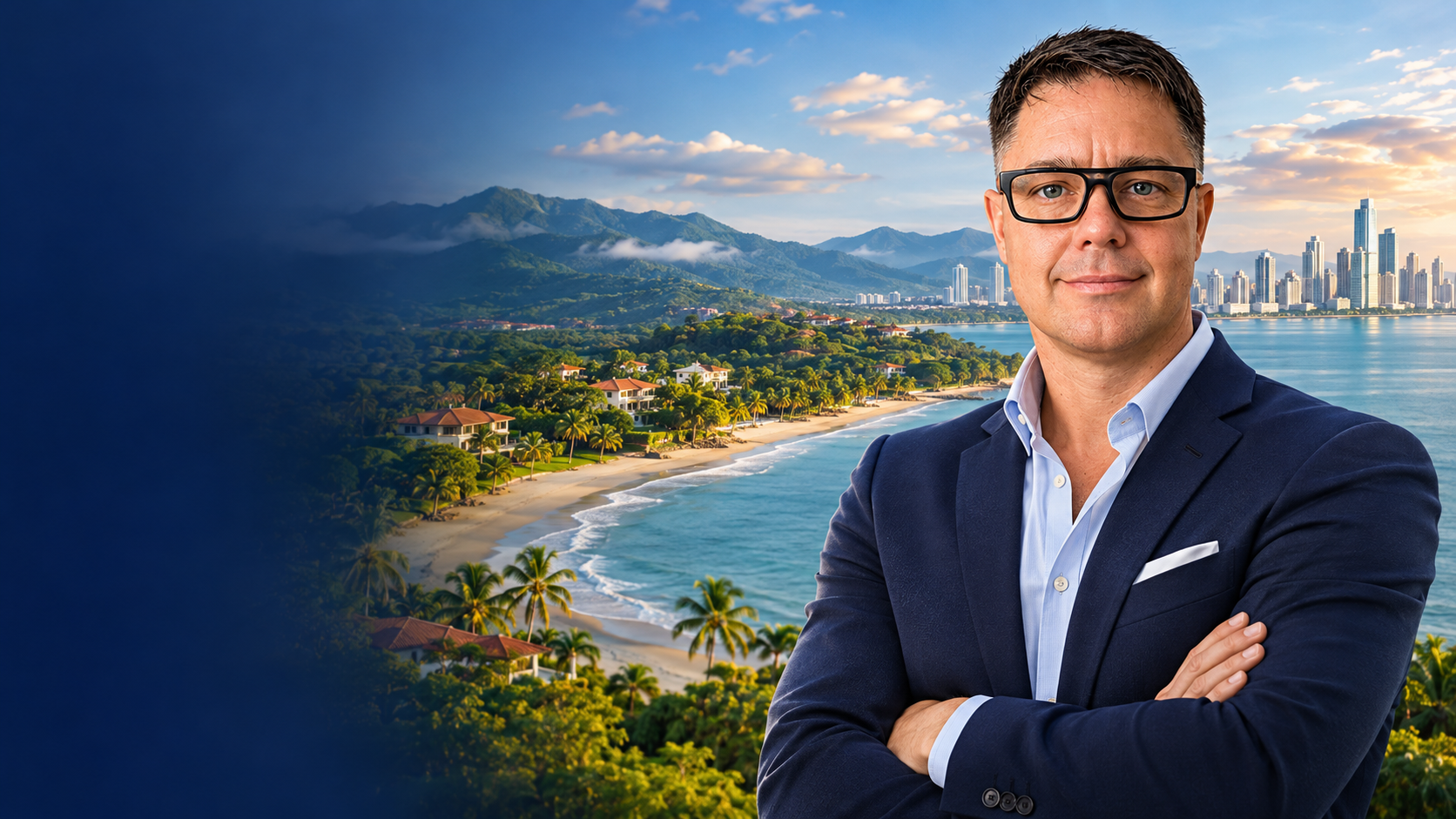
Chad Ratcliffe, Realtor at Panama Property Experts

Chad Ratcliffe · Broker · PN-3211-12 · Panama Oeste

Send Your Question

Ask your question

Tell me what is on your mind about Panama. I read every message myself and reply personally.

Optional if you add a phone number.

Optional if you add an email.

My answers are general market information and are not legal or tax advice. Every situation is different, so treat this as a starting point for your own research.

Prefer to Talk?

Reach me another way

Some questions are easier to talk through. Pick whichever option suits you best.

Answers you receive by any of these channels are general market information and are not legal or tax advice.