Locations & Relocation Guides
Explore Panama, Region by Region
Panama is four or five different countries in one. High-rise Panama City neighborhoods, Pacific beach communities, cool mountain valleys, dry-forest coastline, and Caribbean islands each attract a different kind of buyer. The right location depends on your climate tolerance, your timeline, and whether you plan to live in full-time, two weekends a month, or be here seasonally. These guides are built to help you compare honestly, with the same no-pressure lens we use with clients.
Explore the Regions
Explore Panama's Regions
Zoom across Panama's ten provinces and three comarcas, then switch between Map, Satellite, and Hybrid views to see the terrain behind the market. Hover or tap an area to identify it and jump to its guides, or pick it from the list below the map. The country is small on paper and surprisingly varied on the ground.
Loading interactive map…
The interactive map could not be loaded. This can happen when WebGL is unavailable, or the map tiles cannot be reached. Use the location links below instead.
Boundary data (c) OpenStreetMap contributors
Provinces and comarcas of Panama
Select an area to highlight it on the map and zoom to its bounds. On desktop you can also hover or click a polygon directly. The link on each card leads to our guide to that area where one exists.
Browse by Region
Seven regions, seven different lifestyles
Start with the part of the country that matches your goals, then drill into the specific towns and neighborhoods. Each region guide explains the real character of the area, what it is used for, and who tends to be happiest there.
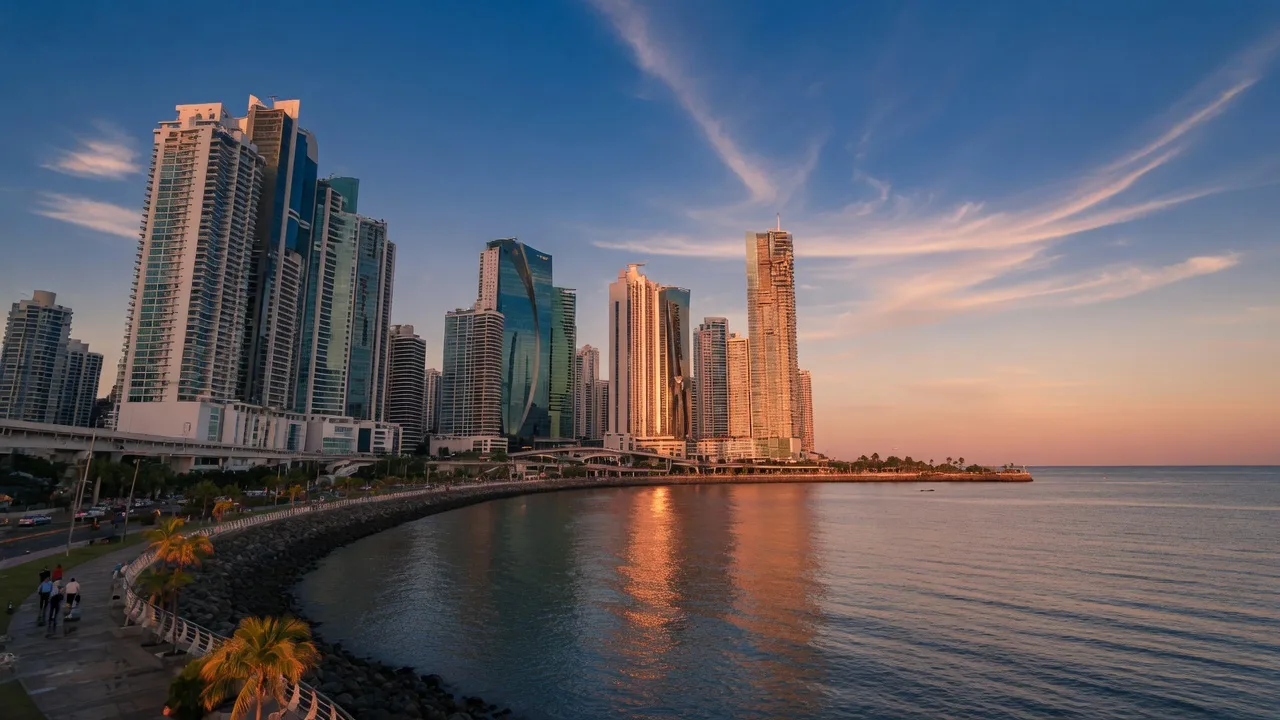
Panama City & Urban Living
High-rise city living, waterfront towers, walkable neighborhoods, and the country’s financial core.
Explore the region
Canal Zone, Panama Pacifico & West Panama
The commuter belt and coastal west side: Arraján, La Chorrera, Penonomé, Panama Pacifico, and gated mountain communities in Capira.
Explore the region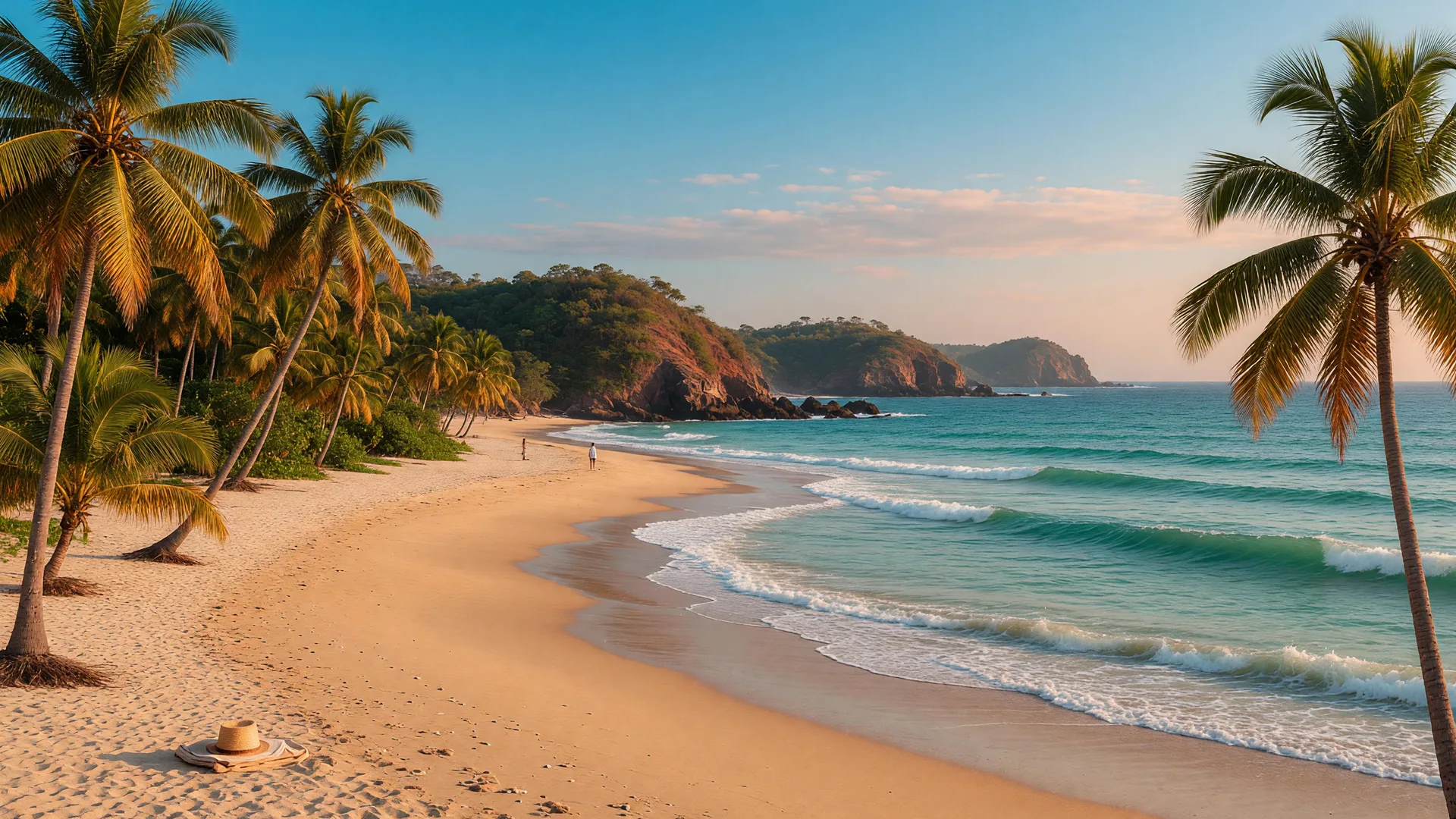
Pacific Beaches & Resort Communities
The established beach corridor: Coronado, Gorgona, San Carlos and Punta Barco, plus the resort coast through Punta Chame, Buenaventura and Playa Blanca.
Explore the region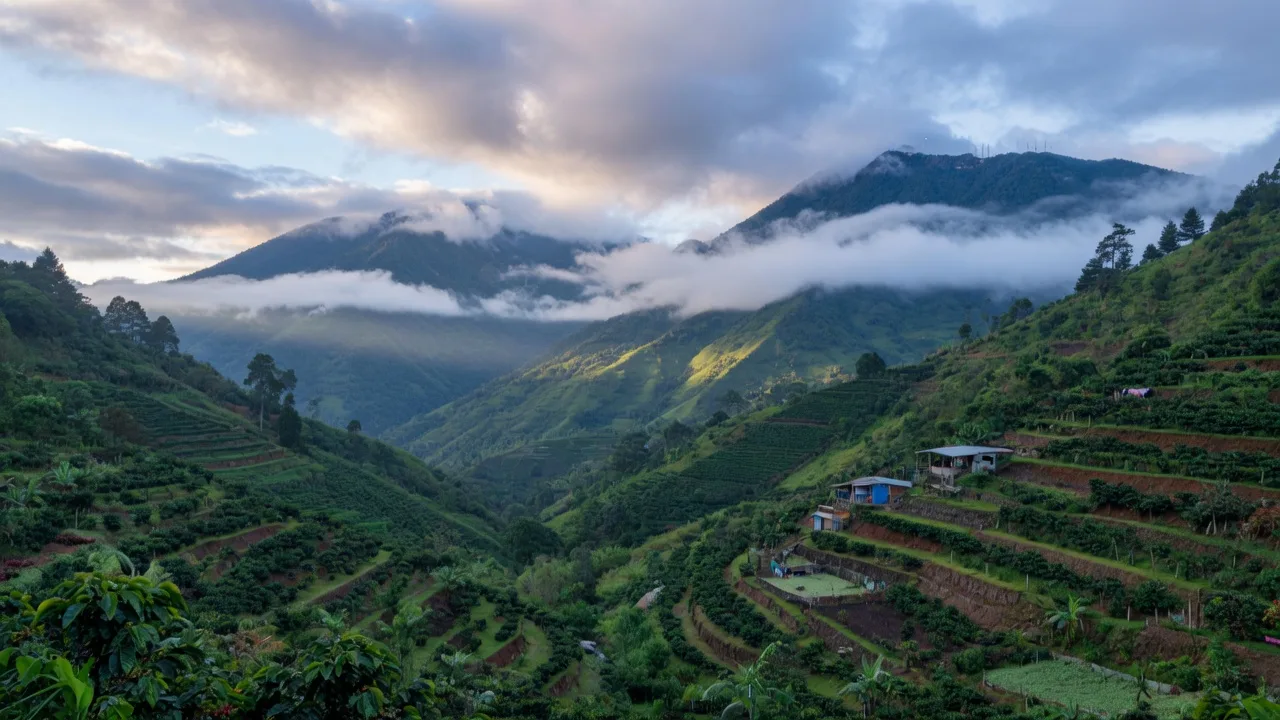
Mountains, Highlands & Chiriquí
Cool mountain towns, coffee farms, and volcano foothills in Boquete, Volcán, David, El Valle, and the Chiriquí highlands.
Explore the region
Azuero Peninsula & Pacific Interior
Dry-forest coastlines, surf beaches, and colonial market towns from Pedasí and Playa Venao to Las Tablas, Chitré, Santiago and Aguadulce.
Explore the region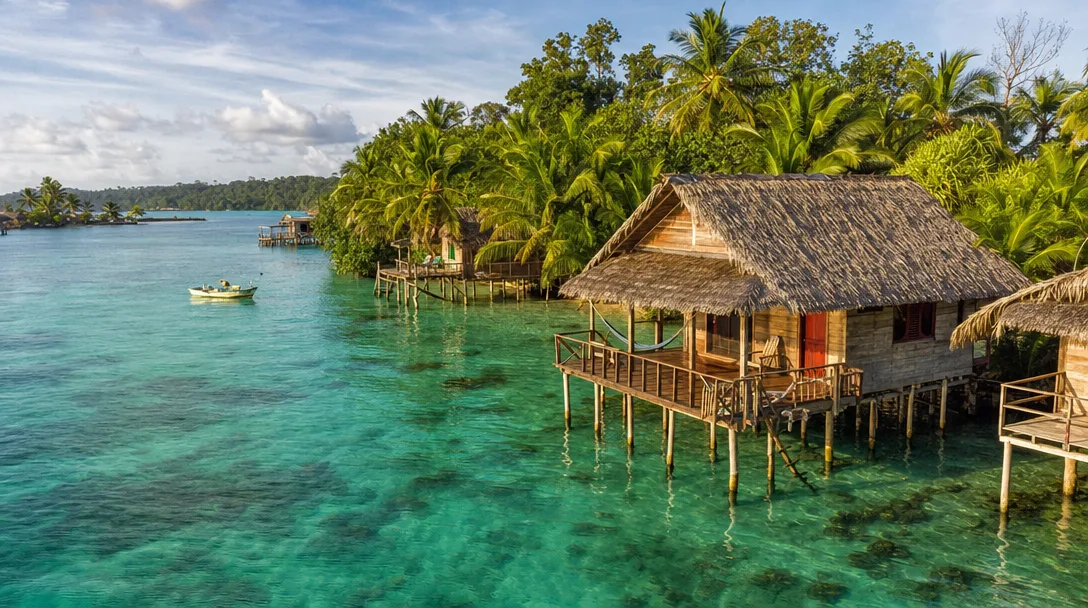
Bocas del Toro & Caribbean Islands
Caribbean islands, reef-lined channels, and island-time life around Bocas and Isla Colón.
Explore the region
Colón & Caribbean Mainland
The Atlantic coast: Colón city and its suburbs, Portobelo, and the Caribbean mainland from the canal to the Darién edge.
Explore the regionCompare & Decide
Two places, head to head
When you have narrowed it down to two, these comparisons give you the conclusion up front and then the honest trade-offs, so you can decide instead of reading endless descriptions.
Coronado vs Punta Barco
Town convenience or quieter gated living on the same coast?
CompareCoronado vs Buenaventura
Beach town life or a gated golf and marina resort?
CompareBoquete vs Volcán
The two highland towns: community and services versus space and value.
ComparePunta Pacífica vs Costa del Este
Two premium waterfront districts with very different rhythms.
ComparePedasí vs Playa Venao
Azuero town life or the surf-driven beach destination?
CompareBocas del Toro vs Pacific Beaches
Caribbean island life or mainland coastal practicality?
ComparePanama City vs Beach Living
The capital's conveniences versus the coast's calm, priced honestly.
CompareCosta del Este vs Santa María
An open planned district or a gated golf world?
CompareBoquete vs Coronado
Mountain or beach retirement? Let the climate decide.
CompareCompare locations
Compare lifestyle, access, healthcare, property profile and more across our researched Panama locations.
Open the toolHead to Head
Browse all location comparisons
Nine head-to-head guides built to help you decide, not just read.
ExploreBrowse by Lifestyle
Match the way you actually want to live
If you know what describes the weather and the rhythm you are after, filter the market guides below. You can combine filters: mountain plus investment, beach plus retirement, city plus walkable.
Punta Pacifica
Panama's premier luxury waterfront neighborhood
Punta Pacifica is widely considered the most prestigious residential address in Panama City. This master-planned peninsula juts into the Pacific Ocean, offering residents uninterrupted ocean views from nearly every building. The neighborhood is defined by high-rise luxury condominiums, many designed by internationally recognized architects, with amenities that rival five-star resorts. Residents enjoy direct access to the Cinta Costera waterfront promenade, proximity to top-rated restaurants, and a short commute to the city's financial district. Punta Pacifica attracts high-net-worth individuals, international executives, and luxury buyers who want a waterfront lifestyle without leaving the city.
Costa del Este
Modern waterfront living with a resort feel
Costa del Este is one of Panama City's newer and most thoughtfully planned neighborhoods. Built on reclaimed land along the Pacific coast, it features modern high-rise condominiums, a dedicated waterfront park and jogging path, and a growing selection of restaurants and retail. The neighborhood has a more relaxed, residential feel than the denser parts of the city, making it popular with families and professionals who want waterfront living with a bit more breathing room. Costa del Este has seen significant appreciation in recent years and continues to attract new development and infrastructure investment.
Santa María
Master-planned luxury with a golf course lifestyle
Santa María is a prestigious master-planned community centered around an 18-hole championship golf course designed by Nicklaus Design. Located just minutes from the city's financial district, it offers a rare combination of suburban tranquility and urban convenience. The development includes luxury single-family homes, townhouses, and low-rise condominiums, along with a town center featuring restaurants, shops, and a fitness club. Santa María appeals to families and executives who want space, greenery, and a gated community environment within easy reach of the city.
Avenida Balboa
Panama City's iconic waterfront boulevard
Avenida Balboa is one of the most recognizable addresses in Panama City. This major waterfront boulevard runs along the bay, lined with high-rise condominiums, hotels, and commercial buildings. The Cinta Costera, a sprawling waterfront park and promenade, runs alongside it and has become the city's premier public gathering space. Living on Avenida Balboa means having the ocean on one side and the city on the other, with easy access to Casco Viejo, the banking district, and major retail. It remains one of the most in-demand corridors for both residential and investment properties.
Casco Viejo
Historic charm meets modern revival
Casco Viejo, also known as Casco Antiguo, is Panama City's historic quarter and a UNESCO World Heritage Site. The neighborhood has undergone a dramatic revival over the past two decades, with beautifully restored colonial-era buildings now housing boutique hotels, restaurants, art galleries, and luxury residences. Living in Casco Viejo means being surrounded by centuries of history, from Spanish colonial architecture to French and American influences. The area has a vibrant cultural scene, a growing food and nightlife offering, and a unique atmosphere that no other neighborhood in Panama can replicate.
San Francisco
The neighborhood where Panama City actually lives
San Francisco is arguably the most vibrant and walkable neighborhood in Panama City. It has become the go-to area for restaurants, coffee shops, co-working spaces, and nightlife, attracting a mix of young professionals, digital nomads, expats, and established residents. The neighborhood offers a range of housing from modern high-rise condos to older apartments and townhouses, at generally more accessible price points than the waterfront corridors. San Francisco's energy, diversity, and central location make it the neighborhood many people think of first when they think of daily life in Panama City.
Obarrio
The financial heart of Panama City
Obarrio is the financial and commercial core of Panama City. Home to major banks, corporate headquarters, and luxury hotels, it is the business center of Central America, with the JW Marriott Panama (historically the Trump Ocean Club) in nearby Punta Pacifica. The neighborhood features a mix of high-end residential towers, upscale shopping, and fine dining. Residents enjoy a sophisticated urban lifestyle with everything within walking distance, from Five Star restaurants to the financial district. The Biomuseo, at the Amador Causeway, is about a 15 to 20 minute drive away and makes a great day trip. Obarrio attracts professionals who work in the financial district and want to live steps from their office, as well as luxury buyers who value prestige and convenience.
Bella Vista
Established, convenient, and unmistakably central
Bella Vista is one of Panama City's most established and centrally located neighborhoods. It sits between the financial district and the residential corridors, offering a blend of commercial activity and residential comfort. The neighborhood is known for its mix of older and newer condominiums, proximity to schools and hospitals, and easy access to restaurants and shopping. Bella Vista doesn't have the flash of Punta Pacifica or the trendiness of San Francisco, but it offers reliable, well-located living at more reasonable price points, making it popular with long-term residents and families.
El Cangrejo
Authentic, established, and full of character
El Cangrejo is a well-established residential neighborhood known for its authentic local character, diverse dining options, and convenient location. The area has a mix of older mid-rise buildings and newer developments, with tree-lined streets and a neighborhood feel that's hard to find in the denser parts of the city. It is popular with both locals and expats who appreciate the walkability, the variety of restaurants and shops, and the reasonable price points. El Cangrejo offers a genuine Panama City living experience without the tourist-oriented pricing of flashier neighborhoods.
Clayton
A self-contained community with international roots
Clayton is a unique neighborhood in Panama City with roots as a former U.S. military base (Fort Clayton). Today, it is a self-contained residential community managed by the Panama Canal Authority, featuring tree-lined streets, colonial-style homes, parks, and its own commercial area. Clayton is home to several international schools, the Clayton Golf Club, and the Ciudad del Saber / City of Knowledge. The neighborhood has a distinctly different feel from the rest of Panama City, with a quiet, suburban atmosphere and a strong international community. It appeals to families with school-age children and professionals who work near the Canal Zone.
Amador & Coco del Mar
Waterfront city living along the Amador Causeway
Amador and Coco del Mar are the waterfront districts at the Pacific edge of Panama City, running along and near the Amador Causeway that extends into the bay to the islands of Naos, Perico and Flamenco. The Amador Causeway is one of the city's most scenic destinations, with restaurants, the Biomuseo museum, yacht and marina facilities and sweeping views of the city skyline and the bridge of the Americas. Coco del Mar is the residential neighborhood just inland from the causeway's start, with apartments, homes and a mix of local services. Together they offer a unique blend of urban waterfront living, marina lifestyle and the recreational draw of the causeway, close to the city center and Punta Pacífica.
Ocean Reef
Panama City's luxury marina island development
Ocean Reef is an exclusive, gated marina-island development in Panama City, located at the Pacific entrance to the Panama Canal, adjacent to the Amador Causeway and Punta Pacífica. It is a master-planned luxury community built on a private island, combining high-end residential towers and villas with a full-service marina capable of accommodating large yachts, along with shops, restaurants, a business center and club amenities on site. Ocean Reef is positioned as one of the most prestigious addresses in the city, appealing to luxury buyers, yacht owners and those who want a secure, self-contained waterfront community with the marina lifestyle at its center. It is a niche, high-end product rather than a broad market.
Albrook, Ancón, Balboa & Quarry Heights
The former Canal Zone districts bordering the city
Albrook, Ancón, Balboa and Quarry Heights are the former Panama Canal Zone districts that border the edge of central Panama City, clustered around the Pacific entrance to the canal. They carry the legacy of the U.S. Canal Zone era, with distinctive green, landscaped residential and institutional character, tree-lined streets, and canal-era buildings that set them apart from the rest of the city. Balboa is the historic canal administration township, Ancón is the hill neighborhood overlooking the city and the canal, Albrook is known for the Albrook Airport, bus terminal and canal infrastructure, and Quarry Heights is the higher residential and former military area above Balboa. Together they offer a quieter, greener, historically rich pocket beside the city, with redevelopment ongoing around Albrook.
Altos del María
Gated mountain community with panoramic views
Altos del María is an established gated mountain community located about 90 minutes from Panama City in the mountains above El Valle de Antón. The development is known for its cool climate, mountain panoramas, and well-maintained infrastructure including paved roads, community pools, and walking trails. Properties range from modest mountain cabins to large custom homes with sweeping valley and mountain views. Altos del María attracts Panamanian families as a weekend retreat and a growing number of expats looking for affordable, nature-oriented mountain living within reasonable distance of the capital. The community has a peaceful, secure atmosphere that appeals to those seeking a retreat from city life.
Penonomé
Capital of Coclé and gateway inland from the beaches
Penonomé is the capital of the province of Coclé, an interior city on the Pan-American Highway about 145 kilometers from Panama City, roughly an hour and a half inland from the Pacific beach corridor that includes Río Hato, Playa Blanca and Farallón. It is the commercial and administrative center of the province, with markets, banks, a hospital, schools and a lively traditional character, and it serves as the inland service town for the province's coastal resorts. Penonomé is also known for a distinctive local craft tradition, including the handwoven sombrero pintao, the traditional Panamanian hat. For buyers it represents an affordable interior city that anchors the beach corridor a short drive away.
La Chorrera
Capital of Panamá Oeste and a growing commuter city
La Chorrera is the capital of the province of Panamá Oeste (West Panama), an inland city on the Pan-American Highway about 30 to 40 minutes from central Panama City across the Centennial Bridge. It is the commercial and administrative center of the west side of the province, with malls, markets, banks, a hospital, universities and a large, growing residential base of people who work in the capital and live in the west. It has grown rapidly in recent years as families and buyers seek more affordable housing and land while staying close to the city. La Chorrera is a practical, working city rather than a lifestyle destination, and it anchors the west side's economy along with the nearby coastal communities.
Arraiján
The fastest-growing commuter town west of Panama City
Arraiján is a city and district in the province of Panamá Oeste (West Panama), immediately across the Bridge of the Americas from Panama City, making it the closest and fastest-growing residential commuter market on the west side. The district includes the town of Arraiján, sometimes called Arraiján Cabecera (the head town), along with communities such as Vista Alegre, Nuevo Chorrillo, Veracruz and others that have expanded rapidly with new housing. For decades Arraiján has been the affordable alternative to east-side Panama City, offering homes, apartments and lots at lower prices with a practical commute, plus the Veracruz beach area at its southern edge. It is a suburban, car-based commuter market first and foremost.
Panamá Pacífico
A master-planned community on the former Howard Air Force Base
Panamá Pacífico is a large master-planned community in West Panama, built on and around the former Howard Air Force Base near Veracruz, about 15 to 20 kilometers from Panama City across the Centennial Bridge. It is the closest thing to a purpose-built new city near the capital: gated residential neighborhoods, an international school, commercial and office districts housing hundreds of companies, a business park, and its own airport (Panamá Pacífico International Airport) serving domestic and some regional flights. It offers a planned, secure, green and relatively self-contained lifestyle with a strong corporate and expat presence, and it has grown steadily as a family-oriented alternative to east-side Panama City.
Coronado
Panama's most established Pacific beach community
Coronado is the most developed and accessible beach community on Panama's Pacific coast, located about 90 minutes west of Panama City along the Pan-American Highway. It is the go-to beach destination for Panama City residents and has a growing community of full-time expat residents. Coronado offers a mix of beachfront condominiums, single-family homes, and gated communities, along with restaurants, a grocery store, and basic services. The beach itself is a long stretch of volcanic sand popular for surfing, swimming, and weekend getaways. For many buyers, Coronado represents the most practical option for Pacific beach living with reasonable proximity to the capital.
Punta Barco
The quiet gated residential coast just past Coronado
Punta Barco is a quieter, more residential Pacific beach area in the San Carlos district of Panama Oeste, about 80 kilometers west of Panama City along the Pan-American corridor and just past Coronado. It is a coast of gated communities, single-family homes and beachfront lots rather than a town: there is no commercial strip of its own, and daily life leans on Coronado, roughly 1.5 to 2 kilometers east. Buyers choose it for privacy, space and a calm beach pace over the busier beach towns further along the same coast, and the area splits into two distinct sides, the modern gated village and the older estate-and-lot area, that are worth telling apart before you start looking.
Nueva Gorgona
A quieter beach alternative just past Coronado
Nueva Gorgona sits just a few minutes west of Coronado and offers a quieter, more residential beach experience. The community has grown steadily as buyers seek proximity to Coronado's amenities without the weekend crowds. Properties here tend to offer more space and better value than beachfront Coronado, with a mix of single-family homes, small condominiums, and gated communities. The beach is less commercialized, and the pace of life is noticeably more relaxed. Nueva Gorgona is popular with full-time residents and retirees who want easy beach access in a calmer setting.
San Carlos
Where the Pacific coast opens up
San Carlos is a beach community further west along the Pacific coast from Coronado, offering a more rugged and undeveloped beach experience. The area has seen growing interest from buyers looking for larger lots, ocean-view properties, and a closer connection to nature. San Carlos is popular with surfers, nature enthusiasts, and those who want to be further from the city while still within a reasonable drive. Property prices tend to be lower than Coronado, and the area offers genuine potential for value appreciation as development continues westward along the coast.
Punta Chame
Kitesurf coast and gated beach living closest to the city
Punta Chame is a low, wide peninsula on the Pacific coast of the Chame district, about 85 kilometers west of Panama City along the Pan-American Highway. It has grown into the country's kitesurfing capital, with reliable afternoon trade winds from roughly December to April drawing riders to its flat, shallow-water lagoon and open-sea faces. Around the kitesurf scene sits a mix of gated beach communities, weekend houses, small hotels and bare lots, served by the highway and the town of Chame a short drive inland. It is one of the closest true beach areas to the capital, which makes it as much a weekend market as a place to live.
Playa Blanca, Farallón & Río Hato
Panama's hotel-and-resort beach corridor
Playa Blanca, Farallón and Río Hato sit at the heart of Panama's Pacific resort corridor, roughly 100 to 110 kilometers from Panama City in the province of Coclé. This stretch of coastline is dominated by large hotel-anchored resorts and gated residential developments built around golf, pools and all-inclusive beach life. Río Hato is the inland service town and, since 2021, the site of an expanded international airport serving domestic and some regional flights. Playa Blanca itself is a long, wide stretch of volcanic-sand beach with a clear resort character, while Farallón is the older resort village on the same coast. It is a weekend and holiday market first, with a growing base of second-home owners.
Buenaventura
A gated golf and marina resort community on the Pacific
Buenaventura is a large, master-planned, gated golf resort community on the Pacific coast of the Río Hato area, about 100 kilometers from Panama City. Developed around an 18-hole championship golf course and a small marina, it offers a mix of condos, villas, golf villas and land, all inside a controlled, amenity-rich resort with pools, restaurants, security and a beach club. It is one of the most established luxury resort addresses on the Pacific corridor, appealing to second-home owners, golfers and investors who want a managed, secure, turn-key beach lifestyle rather than a town. The same development is sometimes marketed under the name Buenaventura Village; they are one community, not two.
Boquete
Mountain living in Panama's garden city
Boquete is a small mountain town nestled in the Chiriquí Highlands at about 3,900 feet elevation, just an hour from David, Chiriquí's capital city. Known for its spring-like climate, stunning mountain scenery, and world-class coffee, Boquete has become one of the most popular retirement destinations in Panama and Central America. The town has a thriving expat community, excellent restaurants, art galleries, and outdoor activities including hiking, bird watching, and the famous flower festival. Properties range from mountain-view condos to large estates with volcanic mountain panoramas. The cooler climate, lower cost of living, and strong community make Boquete a top choice for retirees and lifestyle buyers.
Volcán
Dramatic mountain living near Volcán Baru
Volcán is a small highland community located on the slopes of Volcán Baru, Panama's tallest volcano at over 11,000 feet. The area is known for its dramatic mountain scenery, fertile agricultural land, and cooler temperatures. Volcán attracts buyers who want a more rural, nature-focused lifestyle than Boquete, with larger properties, mountain views, and a genuine sense of remoteness while still being within reach of David's services. The area is popular with retirees, eco-tourism operators, and those seeking affordable mountain land. Volcán offers some of the best value in Panama for buyers who want space, views, and a connection to nature.
El Valle de Antón
A mountain valley town in a volcanic crater
El Valle de Antón is a mountain town inside the crater of an extinct volcano in Coclé province, about two hours from Panama City. Buying property here means choosing a cooler, greener, quieter pace than the beach corridor: mountain homes, weekend houses and fincas on and around the crater floor, with the weekend market, hiking and waterfalls as the rhythm of daily life. Asking prices commonly sit below the beachfront markets, but no verified sales data is published for this cycle, so every figure on this page is labeled by type.
David
Chiriquí's capital and the west's urban service hub
David is the capital of the province of Chiriquí and Panama's second city, sitting on the Pacific lowlands of the west about 420 kilometers from Panama City. It is the practical and economic center of western Panama: regional government, the province's main private and public hospitals, universities, malls, banks, markets and the Enrique Malek International Airport that connects the region to the capital and some international routes. For buyers, David is less often a lifestyle destination in itself and more often the anchor that makes highland living possible: Boquete and Volcán depend on David's airport, hospitals and shopping. It is also a working city in its own right, with a growing professional and commercial market.
Valle Escondido
A gated golf community in the Boquete valley
Valle Escondido, meaning 'hidden valley', is a gated, master-planned community in the Boquete valley of the Chiriquí Highlands, set against the foothills of Volcán Barú. Built around a nine-hole executive golf course, it combines condos, townhomes and houses with a country-club character: golf, a clubhouse, dining, trails, gardens and a resident community that is largely expat and retiree. Because it sits within the cooler highlands at roughly 3,500 to 4,000 feet of elevation, it shares Boquete's spring-like climate while adding the security and amenities of a managed gated development. It is one of Boquete's best-known addresses, but it is a community inside the valley rather than a separate town, and its restaurants and some facilities are open to the public.
Caldera
Hot springs and a quiet mountain town below the volcano
Caldera is a small mountain town in the Chiriquí Highlands, about 30 to 40 minutes from David and a short drive from Boquete, set on the eastern flank of Volcán Barú near the Caldera River. It is best known for its natural hot springs, the warm mineral pools fed by the volcano that have drawn visitors for decades. The town is quieter and less developed than Boquete, with a mix of farms, riverside plots, a small community and scattered homes and guesthouses, plus the Caldera hot springs and a growing number of river and mountain lots. It suits buyers who want the highland climate and nature without Boquete's density or price.
Cerro Azul
A cool mountain neighborhood east of Panama City
Cerro Azul is a mountain residential area in the hills east of Panama City, about 40 kilometers from the capital center, reached by road past Tocumen and Pacora. Because it sits at altitude, it offers noticeably cooler, greener conditions than the city and the coast, with cloud forest, streams and a distinct mountain feel on Panama City's doorstep. It is a weekend and holiday escape for city residents, with gated lots, mountain houses and a small but loyal community, plus a number of country-style clubs and recreational spots. For a buyer who wants the cool highland feel without moving to Boquete, Cerro Azul is the closest practical option to the capital.
Puerto Armuelles
A laid-back banana-town beach on Chiriquí's Pacific coast
Puerto Armuelles is a coastal town on Chiriquí's Pacific coast, near the Costa Rica border and roughly 350 kilometers from Panama City, about an hour or so southwest of David. It grew up around the banana industry, and the company-town roots still shape its character: a working, low-key Pacific port town with a long beach, a friendly local pace, and prices well below the tourist coasts. In recent years it has drawn a small but growing number of buyers, retirees and second-home owners looking for affordable beachfront and a genuine, unpolished Panamanian town rather than a resort. It is a different, quieter, more remote part of the Pacific than the Coronado and Playa Blanca corridors.
Pedasí & Playa Venao
Panama's surf coast gem with small-town charm
Pedasí is a charming fishing town at the eastern end of the Azuero Peninsula, while Playa Venao, about 20 to 30 minutes away, is one of the best surf breaks in Central America. Together, they form one of Panama's most appealing lifestyle destinations. Pedasí offers a genuine small-town Panamanian experience with local markets, restaurants, and a friendly community. Playa Venao attracts surfers, digital nomads, and lifestyle buyers with its dramatic bay, consistent waves, and growing boutique hotel and restaurant scene. The area appeals to buyers who want an active, beach-oriented lifestyle in a community that still feels authentic and unspoiled.
Las Tablas
The folkloric capital of the Azuero Peninsula
Las Tablas is a town in the province of Los Santos, near the southern tip of the Azuero Peninsula, and it is often called the folkloric capital of Panama. It is the beating heart of traditional Azuero culture, famous for its carnival celebrations, folkloric festivals, the pollera dress tradition and the region's music and dance. The town sits on the main road between the peninsula's surf coast and the interior, roughly 4.5 to 5 hours from Panama City, and it serves as the service and commercial hub for the Pedasí and Playa Venao coast nearby. For buyers, Las Tablas matters as the practical town behind the region's beach lifestyle, and as its own quieter, culturally rich interior town.
Chitré
The Azuero Peninsula's commercial and healthcare hub
Chitré is the capital of the province of Herrera and the largest city on the Azuero Peninsula, sitting on the northern side of the peninsula near the Parita coast. It is the region's commercial, financial and healthcare hub, with malls, banks, supermarkets, a hospital and the services that the rest of the peninsula depends on. Chitré has a classic, somewhat traditional city feel with a lively center, and it anchors the Azuero's interior economy. For buyers, it is the practical urban base of the peninsula, close to the surf and beach towns of the south coast while offering the services those smaller towns lack.
La Villa de Los Santos
A historic colonial town of the Azuero Peninsula
La Villa de Los Santos, usually called simply La Villa, is a historic colonial town in the province of Los Santos on the Azuero Peninsula, a short drive from Chitré across the bridge over the La Villa River. It is one of Panama's oldest and most traditional towns, known for its colonial churches, folkloric traditions and a key moment in the country's history: the Primero de Noviembre declaration of independence from Spain in 1821. It sits at the heart of the region's culture and cattle country, and today it offers quiet, traditional small-town living within easy reach of Chitré's services and the peninsula's southern coast.
Aguadulce
A coastal interior town at the gateway to the Azuero
Aguadulce is a town in the province of Coclé, on the Pacific coast at the entrance to the Azuero Peninsula, roughly 200 kilometers from Panama City on the Pan-American Highway. Its name means 'sweet water' in Spanish, reflecting its location near rivers and mangroves, and it is best known as a working coastal town with salt production, an important port, shrimp farming and a traditional, quiet character. The town and its beaches offer a slower, more authentic slice of Panama's Pacific interior, and it serves as a gateway town for travelers heading toward the peninsula. For buyers it represents affordable, traditional coastal and inland property at a crossroads of the Azuero route.
Santiago
Veraguas' capital and the gateway to western Panama
Santiago is the capital of the province of Veraguas, the only Panamanian province touching both the Pacific and Caribbean coasts, and a key service and crossroads city on the Pan-American Highway about 250 kilometers from Panama City. It is the commercial, transport and service hub of the country's central-west interior, with malls, banks, markets, a hospital, universities and a lively working center, and it sits at the junction where travelers and commerce move between the capital, the Azuero Peninsula, Chiriquí and the Caribbean coast. For buyers, Santiago is a practical, affordable regional city and a strategic base for the interior, rather than a coastal or lifestyle destination.
Not Sure Which Region to Compare First?
That is exactly the conversation we start with. Tell us about your lifestyle goals, budget, and timeline and we will help you shortlist the two or three markets that genuinely fit, anywhere in Panama.