Quick Answer
Yes, the best places to invest in property in Panama are Panama City for rental cash flow, the Pacific coast for vacation rentals, and Boquete for retiree demand, but the right market depends on your strategy. Panama City leads with gross yields near 7%, while beach and highland markets offer steadier, lower returns. Match the market to your goals, and the numbers matter more than the hype.
Key Takeaways
- Panama City apartments deliver the strongest rental cash flow, with citywide gross yields averaging close to 7% in late 2025 and rents up roughly 17% year over year.
- San Francisco and El Cangrejo are the top yield neighborhoods at about 6% to 9% gross, while luxury waterfront districts like Punta Pacifica trade at 4% to 6% for lower yield and higher growth.
- The Pacific beach markets, Coronado, San Carlos, Playa Blanca, and Pedasí and Playa Venao, reward short-term vacation rentals more than long-term leases, with seasonal rather than automatic returns.
- Boquete and the Chiriquí highlands draw steady retiree demand, with furnished long-term rentals around $1,200 to $1,600 a month and gross yields of about 4% to 6%.
- Panama uses the U.S. dollar and has no tax on foreign-source income, but the 2% transfer tax and the 10% capital gains option still shape your exit.
- In Panama City, short-term rentals under 45 days are restricted outside licensed tourist zones, so the Airbnb strategy belongs in beach and highland markets or licensed areas like Casco Viejo.
- The Qualified Investor visa now requires $300,000 for a new first-sale property or $500,000 for a resale, which makes the purchase itself a residency path for qualified buyers.
Disclaimer: This article is general information, not legal, tax, or investment advice. Rates, laws, and prices change and vary by property. Verify current figures with a licensed Panama attorney, accountant, or real estate advisor before you commit.
What Are the Best Places to Invest in Property in Panama?
The best places to invest in property in Panama in 2026 are Panama City for rental cash flow, the Pacific beach corridor for vacation rentals, and Boquete for retiree-driven demand, each with a different price point and a different return profile. No single market is best for everyone. The market you should choose depends on whether you want monthly cash flow, seasonal vacation income, long-term appreciation, or a property that doubles as a residency path and a personal second home.
This guide ranks the main markets by what they actually deliver, with real price ranges, rental yields, taxes, and risks. We cover Panama City, the Pacific coast from Coronado to Playa Venao, the highlands of Boquete and El Valle, and Bocas del Toro, then give you a framework to decide. The honest version: Panama rewards patient, well-located purchases, and it punishes overpaying in the wrong market more than any other mistake.
How the Panama Investment Market Is Performing Right Now
Panama has structural advantages that most competing markets in the region do not. The country uses the U.S. dollar, which removes exchange-rate risk for dollar-based investors. There is no tax on foreign-source income. Foreigners buy and own property with the same rights as Panamanians, and no residency is required to make the purchase.
The macro picture is broadly healthy. Panama's foreign direct investment rebounded to $792.4 million in the first half of 2026, reversing the net disinvestment of the same period in 2025. Foreign buyers closed about $712 million in Panama property purchases in the first half of 2026, up 17.7% from a year earlier. Tocumen International Airport handled more than 15.8 million passengers in the first eight months of 2026, up about 15%, and cruise passenger movement grew 21.6% in the first seven months of the year. More visitors and more foreign capital are the two demand drivers that matter most for real estate.
At the city level, rents are rising faster than prices, which is the healthiest signal for an investor. The citywide average apartment rent reached about $1,518 per month in late 2025, up roughly 17% year over year, while average apartment prices sat near $2,483 per square meter, up about 0.8%. Citywide gross rental yields averaged close to 7%, with neighborhoods ranging from roughly 5% to 9%.
One caution: appreciation is moderate. Nationwide price growth is roughly 3% to 5% a year, with the strongest corridors, Costa del Este and Santa María, outperforming at about 5% to 7%. Some pockets of the high-rise market in the city center show oversupply. Panama is a market for compounding rental income and slow, steady growth, not for quick flips.
The Four Investment Strategies in Panama
Before choosing a market, choose a strategy. Each of these four plays targets different buyers, different price points, and different risks. The table below summarizes them, and the sections that follow go market by market.
| Strategy | Best markets | Typical entry | Gross yield | Best for |
|---|---|---|---|---|
| Long-term rental cash flow | San Francisco, El Cangrejo, Bella Vista (Panama City) | $90,000 to $400,000 | 6% to 9% | Steady monthly income, dollar-based investors |
| Short-term vacation rental | Pacific coast, Bocas del Toro, Casco Viejo (licensed) | $120,000 to $500,000 | 5% to 9% seasonal | Lifestyle owners who also earn |
| Capital growth and prestige | Costa del Este, Punta Pacifica, Santa María | $400,000 and up | 4% to 6% | Long-term appreciation, luxury buyers |
| Residency-linked purchase | Any qualified market | $300,000 new / $500,000 resale | Variable | Buyers also seeking Qualified Investor residency |
Most international investors end up combining strategies, such as a unit that rents long-term for part of the year and short-term in high season, or a second home that generates income when it is empty. The key is to model net return, after HOA fees, property tax, insurance, management, and vacancy, not just the gross number.
Panama City: Where the Cash Flow Is
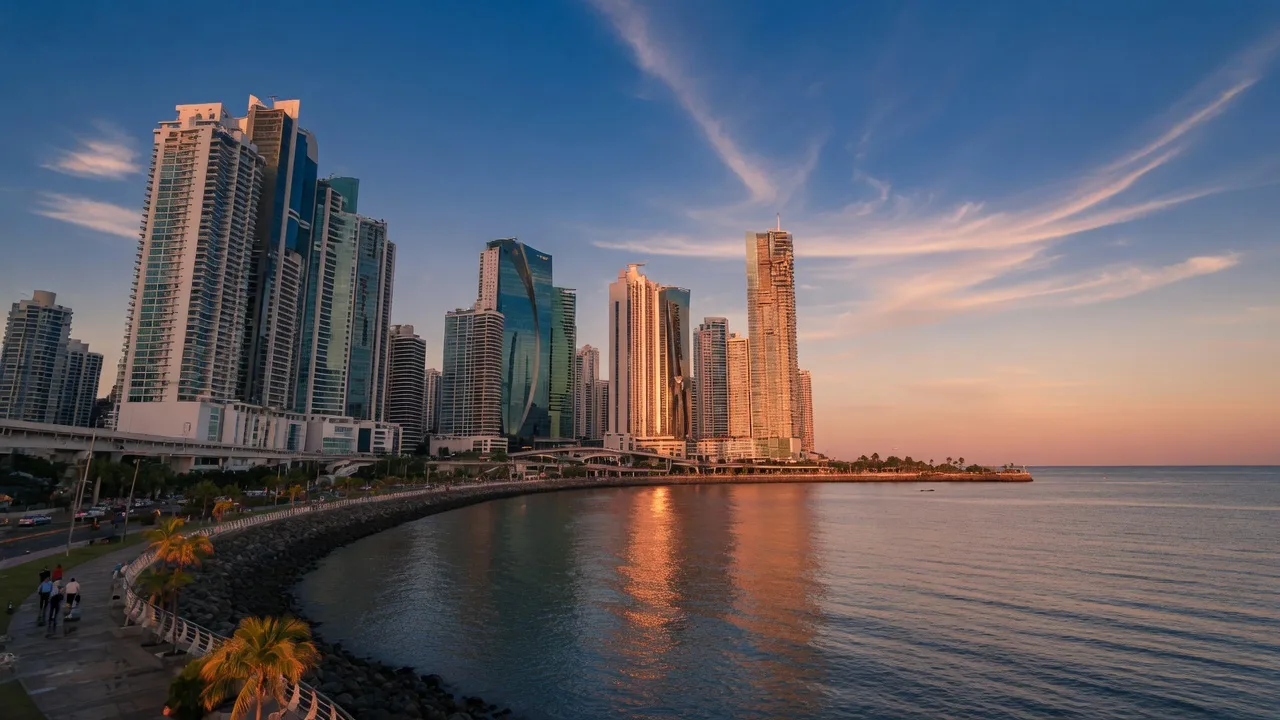
If your goal is monthly rental income, Panama City is the market to study. Citywide condo prices average roughly $2,200 to $2,500 per square meter, gross yields average close to 7%, and the strongest districts sit well above that.
San Francisco and El Cangrejo: the yield neighborhoods
San Francisco and El Cangrejo are the most consistent cash-flow neighborhoods, with gross yields reported around 6% to 9%. Entry prices start around $90,000 to $120,000 for studios and one-bedrooms in El Cangrejo, and asking prices run from about $1,300 per square meter in San Francisco upward. These are dense, convenient districts with steady demand from young professionals and expats, and they respond best to furnished, well-located one-bedrooms.
Costa del Este and Punta Pacifica: growth and prestige
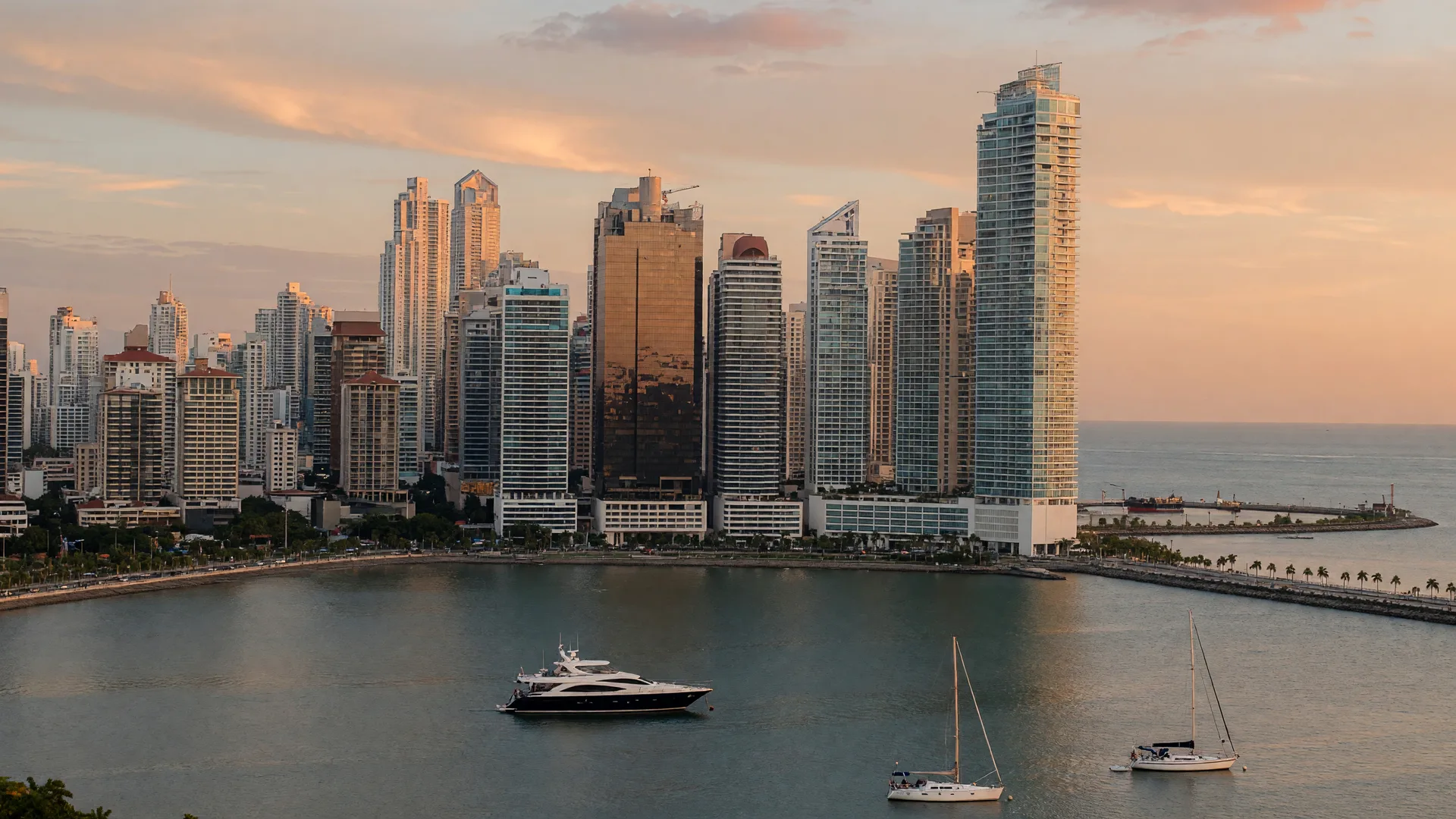
For capital growth rather than cash flow, Costa del Este and Punta Pacifica are the premium addresses. Costa del Este asking prices sit near $2,300 to $3,500 per square meter, and Punta Pacifica ranges from about $2,400 to $2,700 per square meter on asking, with premium oceanfront towers higher. Rents are strong, with median asking around $2,400 a month in Costa del Este and $3,450 in Punta Pacifica, but prices are higher, so gross yields land closer to 4% to 6%. These districts suit buyers who want scarcity, modern inventory, and long-term appreciation with steady, lower leverage.
Casco Viejo: the licensed short-term play
Casco Viejo is Panama City's only real short-term rental play, because short stays under 45 days are restricted elsewhere in the capital unless you hold a tourist-lodging authorization. Restored colonial properties list around $3,200 to $5,500 per square meter, and licensed short-term rentals here capture tourist demand that the rest of the city cannot. It is a niche, high-management strategy, not a set-and-forget one.
| Neighborhood | Asking price per m² | Typical rent (1-2 BR) | Gross yield | Best fit |
|---|---|---|---|---|
| San Francisco | ~$1,300 to $2,000 | $900 to $1,500 | 6% to 9% | Cash flow |
| El Cangrejo | ~$1,400 to $2,100 | $800 to $1,400 | 6% to 9% | Cash flow, entry price |
| Costa del Este | ~$2,300 to $3,500 | $1,500 to $3,500 | 4% to 6% | Growth, families |
| Punta Pacifica | ~$2,400 to $2,700 asking | $1,300 to $3,500+ | 4% to 6% | Growth, waterfront |
| Casco Viejo | ~$3,200 to $5,500 | Licensed short-term | Variable | Urban tourism |
These are asking-price and market-estimate ranges drawn from published 2026 reporting, not quotes. Verify the actual building and unit before you model anything.
The Pacific Coast: The Vacation Rental Market
The Pacific beach corridor from Coronado to Playa Venao and Pedasí is where lifestyle and income meet. Long-term tenant demand is softer than in the capital, so gross yields on year-round leases often sit around 5% to 7%. The money is in short-term vacation rentals during the December to April dry season and the North American winter, when occupancy in well-run beach properties can climb sharply.
Coronado is the most established beach market, with malls, supermarkets, a clinic and hospital, and the deepest resale pool. Beachfront condos there typically list from about $120,000 to $200,000, while the gated resort of Buenaventura runs from roughly $1.2 million and up. San Carlos and Playa Blanca sit closer to the capital on the same divided highway, and the widening of the Corredor de las Playas is expected to shorten drive times further when it completes around September 2028.
Farther south, Pedasí and Playa Venao on the Azuero Peninsula are the emerging market: drier, sunnier, and driven by surf tourism and digital nomads. The October 2026 earthquake damaged parts of the peninsula and prompted a government reconstruction plan for 1,300 homes, so buyers there should factor in a market still recovering and confirm insurance and structural reports. The long-term demand story is intact, but the near term carries more uncertainty.
Across the coast, short-term rental occupancy averages roughly 26% to 34% year-round, with high nightly rates and strong seasonal spikes. That means returns are seasonal: model a conservative occupancy, budget for management and turnover, and treat the property as a lifestyle asset that can pay for itself rather than a guaranteed income stream.
The Highlands: Boquete, El Valle, and Volcán
The highland markets answer a different question: where do retirees and part-time residents want to be? Boquete is the largest expat community in the Panamanian highlands, with spring-like temperatures of about 65°F to 80°F year-round at roughly 3,900 feet of elevation, and demand comes from North American and European retirees who often rent for months at a time.
Typical asking prices in Boquete ran from roughly $190,000 to $1.58 million in late 2026, with a median around $355,000. Furnished long-term rentals on well-located two-bedroom condos and turnkey villas run $1,200 to $1,600 a month, and gross yields are modest at about 4% to 6%. Appreciation is steady rather than spectacular, with one market survey reporting 6% to 8% annual growth for the niche while others put it at a more conservative 2% to 4%.
El Valle de Antón, about two hours from Panama City, is a smaller, quieter crater-town alternative, and Volcán in Chiriquí offers cooler air and more land per dollar than Boquete. These markets suit investors who want a second home that also earns, with low prices, low property tax, and retiree demand that holds up across the year. Resale is thinner than in the capital, so plan to hold for the long term.
Bocas del Toro: The Caribbean Island Market
Bocas del Toro is Panama's Caribbean beachfront market, driven by tourism, surf, and a distinctive island lifestyle. Short-term vacation rentals are the dominant model, and occupancy spikes in the dry months and holidays. Two cautions apply. First, much of the island market has historically involved rights of possession rather than titled land, so titled properties command a premium and untitled ones carry real risk. Second, island logistics, shipping, and maintenance are more expensive, and the resale pool is small. Bocas works for buyers who want an income-generating island home and can verify title and coastal-zone rules with a licensed attorney.
Side by Side: Which Market Fits Your Strategy?
Here is the honest comparison across the main investment markets. Use it to shortlist, then verify current listings, asking prices, and rules before you model your numbers.
| Market | Typical entry | Gross yield | Demand driver | Main risk |
|---|---|---|---|---|
| Panama City (San Francisco, El Cangrejo) | $90,000 to $400,000 | 6% to 9% | Local and expat tenants | Condo oversupply in some towers |
| Panama City (Costa del Este, Punta Pacifica) | $400,000 and up | 4% to 6% | Premium tenants, growth | Lower yield, higher entry |
| Pacific beaches (Coronado, San Carlos, Playa Blanca) | $120,000 to $800,000 | 5% to 7% long-term | Winter vacation renters | Seasonality, resale time |
| Azuero (Pedasí, Playa Venao) | $150,000 to $600,000 | Seasonal short-term | Surf tourism, digital nomads | Post-earthquake recovery, distance |
| Boquete and the highlands | $190,000 to $500,000+ | 4% to 6% | Retirees, part-timers | Thin resale |
| Bocas del Toro | $150,000 and up | Seasonal short-term | Island tourism | Title and possession issues, logistics |
| Casco Viejo (licensed) | $300,000 and up | Variable, tourist-driven | Urban tourism | Licensing, management, price |
Costs and Taxes That Shape Your Return
Your net return depends as much on what you pay to own and sell as on what you collect in rent. Here is what an investor actually faces in Panama.
Annual property tax (IBI)
The Impuesto de Bienes Inmuebles is charged on cadastral value, not market price, and it is low. Investment and second homes are exempt on the first $30,000 of value, then pay 0.6%, 0.8%, or 1.0% by bracket. A rental property with a $300,000 cadastral value pays roughly $1,720 a year. New constructions can carry multi-year exemptions under Law 66 of 2017.
Transfer tax and capital gains when you sell
The transfer tax, ITBI, is 2% on the higher of the sale price or cadastral value, normally paid by the seller at closing. Capital gains are 10% of the actual gain, or 3% of the sale price as a final option, whichever you choose. Sellers also typically pay about 5% commission. Budget for these before you buy so the exit does not erase the yield.
Short-term rental licensing
In the District of Panama, renting a residential property for fewer than 45 consecutive days is illegal unless you hold a tourist-lodging authorization, under Law 80 of 2012. Outside Panama City, short-term rentals are generally permitted, and hosts should register with the Tourism Authority's Registro Nacional de Turismo and hold the relevant permits. Fines for operating without authorization run from roughly $5,000 to $50,000.
Financing and management
Foreigners can get mortgages but on stricter terms, typically 30% to 50% down and rates around 6.5% to 8.5%. Management fees, HOA dues, insurance, and vacancy can take a large share of gross rent, so model net yield. A fully managed short-term rental can easily see 20% to 30% of gross revenue go to management and turnover.
Risks and Common Mistakes Investors Make
The biggest losses in Panama come from the same handful of mistakes, not from the market itself.
- Overpaying. Asking prices in some districts are set for slow negotiation. Compare price per square meter against sold data in the same building before you offer.
- Buying possession-right land. Land held by derecho posesorio can be cheaper, but it is not registered title. For investment, buy titled property with a clean folio real.
- Ignoring the 45-day rental rule. In Panama City, renting under 45 days without a license can trigger fines. The Airbnb model needs the right legal setup.
- Modeling gross instead of net. HOA fees, property tax, insurance, management, and vacancy are real. A 7% gross yield can become 4% net.
- Chasing a single project. New developments with heavy marketing sometimes price above resale value. Compare against the resale market, not the brochure.
- Buying where demand is not real. A beautiful property in a market with no tenants or tourists still costs money every month. Match the property to actual demand.
How to Choose: A Practical Framework
- Set your goal. Cash flow, vacation income, appreciation, residency, or a second home that earns? This decides the market.
- Set a real budget. Include closing costs of roughly 3% to 4%, ongoing costs, and a holding period of 5 to 10 years.
- Shortlist two markets. Use the tables above to pick two that fit your strategy, then visit in both the dry and rainy seasons.
- Verify the numbers. Check sold prices per square meter, real rents, occupancy, and property tax before you model a return.
- Use professionals. An independent attorney for the title, an accountant for taxes, and a local advisor who knows the market and will tell you when a deal is wrong.
The bottom line: the best places to invest in property in Panama are the ones that match your strategy, your budget, and your timeline. Panama City rewards cash-flow investors, the coast rewards lifestyle owners who rent short-term, the highlands reward retiree-market buyers, and a qualified purchase of $300,000 or more can double as a residency path. Buy well, hold for the long term, and Panama remains one of the most investor-friendly markets in Latin America.
For more detail, see our guides on whether Panama real estate is a good investment, buying property in Panama as a foreigner, Panama property taxes, Airbnb profitability, and Qualified Investor residency, plus the market report. Want to talk through your numbers? Contact Chad. No pressure, just good information.
Frequently Asked Questions
Where is the best place to invest in property in Panama?
For rental cash flow, Panama City's San Francisco and El Cangrejo lead with gross yields around 6% to 9%. For vacation rentals, the Pacific coast from Coronado to Playa Venao is the strongest market. For retiree demand and steady appreciation, Boquete is the top highland choice. The best market for you depends on your strategy, budget, and timeline, not on a single city.
What are typical rental yields in Panama City?
Citywide apartment yields averaged close to 7% gross in late 2025, with districts ranging from about 5% to 9%. The strongest neighborhoods, San Francisco and El Cangrejo, report around 6% to 9%, while luxury waterfront areas like Punta Pacifica run 4% to 6%. Net yields after HOA, taxes, insurance, management, and vacancy are usually 3% to 5%.
Is buying property in Panama a good investment for foreigners?
Yes, for most patient international buyers. Foreigners own property with the same rights as Panamanians, Panama uses the U.S. dollar, and there is no tax on foreign-source income. Appreciation is moderate at roughly 3% to 5% a year, so returns come mostly from rental income. The market rewards well-located, fairly priced purchases held for the long term.
How much money do I need to invest in Panama real estate?
Entry points start around $90,000 to $120,000 for a studio or one-bedroom in El Cangrejo, and $120,000 to $200,000 for beachfront condos in Coronado. For the Qualified Investor visa, the real estate route requires $300,000 for a new first-sale property or $500,000 for a resale under Decree 17 of 2026. Budget an extra 3% to 4% for closing costs.
Are short-term rentals profitable in Panama?
Outside Panama City, yes, with realistic planning. Beach and highland occupancy averages roughly 26% to 34% year-round, with strong spikes in the dry season. In Panama City, rentals under 45 days are restricted outside licensed tourist zones like Casco Viejo. Model a conservative occupancy and budget 20% to 30% of revenue for management, turnover, and taxes.
Can a property purchase get me residency in Panama?
Yes, through the Qualified Investor visa. Under Executive Decree 17 of 2026, a new first-sale property of at least $300,000 or a resale of at least $500,000 can qualify, with the property kept free of liens for five years. This grants permanent residency, not citizenship. Confirm the current thresholds and documents with an immigration lawyer.
What taxes do property investors pay in Panama?
Annual property tax (IBI) is low: investment properties are exempt on the first $30,000 of cadastral value, then pay 0.6% to 1.0%. When you sell, the transfer tax is 2% and capital gains are 10% of the gain or 3% of the price. Rental income is taxed on a territorial basis. Confirm current rules with an accountant.
Which is better for investment, Panama City or a beach market?
Panama City produces steadier cash flow with year-round tenants and gross yields near 7%, but higher prices and slower growth in some towers. Beach markets deliver seasonal vacation income with higher peak-season returns, but softer year-round occupancy and slower resale. Choose based on whether you want monthly income or lifestyle plus seasonal income.
Not Sure Which Panama Market Fits Your Investment Goals?
We help international buyers compare Panama's markets honestly, including the numbers that decide your return. Call us at +507-6356-7777, message us on WhatsApp, or write to info@panamapropertyexperts.com. No pressure, just good information.
Sources and References
- Global Property Guide, Gross rental yields in Panama: https://www.globalpropertyguide.com/latin-america/panama/rental-yields
- Global Property Guide, Panama price history and market analysis: https://www.globalpropertyguide.com/latin-america/panama/price-history
- PwC Worldwide Tax Summaries, Panama other taxes: https://taxsummaries.pwc.com/panama/individual/other-taxes
- Dentons, New Homes in Panama: ITBI reduction for first-sale homes up to $120,000: https://www.dentons.com/en/insights/articles/2026/september/3/new-homes-in-panama
- Autoridad de Turismo de Panamá, Registro Nacional de Turismo: https://www.atp.gob.pa/asistencia-y-licencias/registro-nacional-de-turismo/
- Panama Home Realty, Qualified Investor residency $300K/$500K real estate rule: https://panamahomerealty.com/articles/it-s-official-panama-s-qualified-investor-residency-has-new-dollar300k-dollar500k-real-estate-rule
- Panacomps, Panama City property prices per square meter 2026: https://www.panacomps.com/blog/panama-city-property-prices-per-square-meter
- Panama Properties, Boquete real estate market report Q4 2026: https://www.panama-properties.com/post/boquete-real-estate-market-report-q4-2026-price-per-m-and-data-snapshot
- The Latinvestor, Panama rental yields 2026: https://thelatinvestor.com/blogs/news/panama-rental-yields
- Panama Elite Homes, Panama City Airbnb rules 2026: https://panamaelitehomes.com/airbnb-short-term-rental-rules-panama-city/