Quick Answer
The best place to live in Panama depends on your lifestyle, not on a single town. Panama City suits those who want urban convenience and the country's best hospitals. Boquete offers spring-like mountain weather and the largest expat community. Coronado gives beach resort living about an hour and a half from the capital, and Pedasí delivers the sunniest, driest coast. All of these markets let foreigners buy property with full ownership rights, and a couple can live comfortably on roughly $2,000 to $4,500 a month depending on the area.
Key Takeaways
- The best place to live in Panama depends on your priorities: Panama City for urban life and top healthcare, Boquete for cool mountain living, Coronado for beach resort life near the capital, Bocas del Toro for Caribbean islands, and Pedasí for the sunniest, driest coast.
- Panama ranked #1 in International Living's 2025 Global Retirement Index and #2 in 2026, the highest-ranked Latin American country in both years.
- A couple can live comfortably on roughly $2,000 to $2,800 a month in Boquete or Coronado and $2,800 to $4,500 in Panama City, with Pedasí the most affordable entry to coastal living.
- Boquete has one of the largest expat communities in Central America, with spring-like temperatures of about 65°F to 80°F year-round at roughly 3,900 feet of elevation.
- Foreigners have the same property ownership rights as Panamanians across the country, with no residency required to buy, and the 2% transfer tax is normally the seller's.
- The Pensionado retiree visa requires about $1,000 a month in lifetime pension income and grants permanent residency plus legally mandated discounts.
- Visit in both the dry and rainy seasons before choosing; weather, access, and the community change dramatically through the year.
This article is for information only and is not legal, tax, or financial advice. Rules, thresholds, and prices change, and individual situations differ. Verify every figure with a licensed professional before making any decision.
What Is the Best Place to Live in Panama?
There is no single best place to live in Panama, and anyone who tells you otherwise is selling something. The country is small enough to drive across in a day but so varied that Panama City, Boquete, and Bocas del Toro feel like different countries. Your answer depends on climate, budget, healthcare needs, and how much community matters to you.
This guide compares the six markets international buyers and retirees ask us about most: Panama City, Coronado and the Pacific beach corridor, Boquete, Bocas del Toro, Pedasí, and El Valle de Antón. It gives you the good, the bad, and the reality of each, with current costs and honest trade-offs, so you can shortlist where to visit before you commit.
How to Choose: Five Questions That Decide Where You Live
Before comparing towns, answer five questions honestly, because they will screen out most options quickly.
1. What climate do you actually want? If you want air conditioning off and cool nights, only the highlands at elevation will do. If you love sun and the ocean, the Pacific coast and Bocas fit better. Humidity and rain vary enormously across the country.
2. How much does healthcare matter, and how close do you need to be to a hospital? Panama City has the country's best private hospitals. Coronado has a hospital and clinics, Boquete has basic care with David an hour away, and El Valle has very limited local care. If you have ongoing medical needs, proximity to quality care should drive your choice.
3. What is your monthly budget? The range is wide: a couple can live on roughly $1,800 a month in Boquete or Pedasí and spend $4,500 or more in a premium Panama City tower. Rent is the biggest swing factor.
4. How much expat community do you want? Boquete and Coronado have large, organized expat communities. Panama City offers a big but more spread-out international scene. Bocas and Pedasí have smaller, more independent communities.
5. How often do you need to reach Panama City, the airport, or the rest of the country? Coronado is about 90 minutes by road from the capital. Pedasí is a 40-minute flight or a 4 to 5 hour drive. Boquete is a flight to David plus an hour by road. Distance is a real cost of the lifestyle you pick.
Panama City: Urban Living With the Best Healthcare
Panama City is the country's only true metropolis and the best match for buyers who want a cosmopolitan, amenity-rich life. It has the best private hospitals in Central America, an international airport, world-class restaurants, and the widest property market. Expat-friendly districts include El Cangrejo, San Francisco, Obarrio, and Bella Vista, while Punta Pacífica, Costa del Este, and Avenida Balboa hold the luxury waterfront towers.
The trade-offs are the climate (hot and humid year-round), traffic, and the highest cost of living in the country. A couple should budget roughly $2,800 to $4,500 a month, and a two-bedroom apartment rents for about $900 to $1,700 in central districts, climbing to $1,500 to $3,000 or more in luxury waterfront towers. Property prices are highest here too: condos in Punta Pacífica commonly run from $350,000 up to $3 million plus.
Panama City suits working professionals, families, digital nomads, and retirees who want quick access to top medical care and an active social life. If you plan to keep working or need specialists, this is the strongest base in the country.
Coronado and the Pacific Coast: Beach Resort Life an Hour and a Half From the Capital
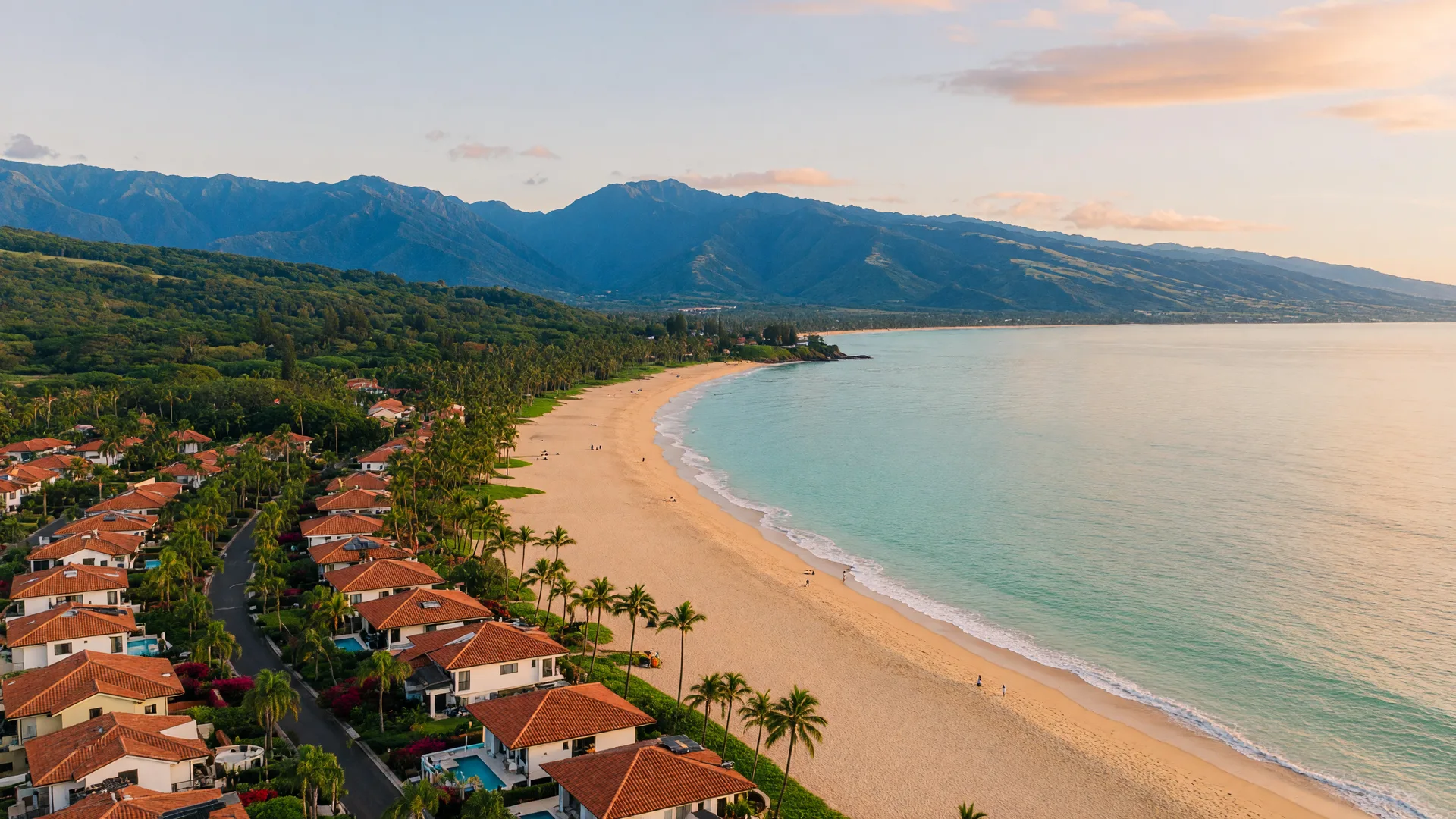
Coronado is the most established beach community on Panama's Pacific coast, about 90 minutes west of the capital on the Pan-American Highway. It blends beachfront condos, gated communities, a golf club, restaurants, and a growing full-time expat community, with a hospital and clinics close by. It is the most practical way to combine beach living with easy access to Panama City.
Along the same corridor, San Carlos, Chame, and Buenaventura offer more space and higher-end resort living, while Playa Blanca and Río Hato sit further west. The climate is tropical with a distinct dry season from roughly December to April, which is why the corridor is Panama's most popular weekend and retirement market.
Property is far more affordable than the city: entry condos in Coronado commonly list from about $180,000 to $250,000, gated-community homes from about $250,000, and the market's price range runs from $200,000 to $1.5 million. A couple can live well on roughly $2,000 to $3,000 a month. The honest downsides: the beach is volcanic sand rather than white tropical sand, weekends can be busy with visitors from the city, and for the very best care you still head back to Panama City.
Boquete: Spring-Like Highlands and the Largest Expat Community
Boquete, in the Chiriquí Highlands at about 3,900 feet, is the mountain answer to beach living and arguably the best-known expat town in Panama. Temperatures sit between roughly 65°F and 80°F year-round, with no heating and no air conditioning needed. It has one of the largest and most active expat communities in Central America, with clubs, volunteer groups, hiking, birdwatching, and the Quetzal Trail and Volcán Barú close by.
Cost of living is lower than the coast: a couple can live comfortably on roughly $1,800 to $3,000 a month, and a two-bedroom apartment rents for about $700 to $1,200 in town, with gated-community homes climbing to $1,200 to $3,000. Property prices range from about $180,000 to $1.2 million, with developer homes from about $100,000 to $250,000. Healthcare covers routine needs in town, with the larger hospitals of David about an hour away and Panama City the standard for serious care.
The honest trade-offs are the rainy season (heavy, especially from September to November), occasional flooding near the Caldera River, and real distance from the capital, about 7 to 8 hours by road or a flight to David plus an hour. Boquete is the strongest match for retirees and nature lovers who value climate and community over beach access and urban convenience.
Bocas del Toro: Caribbean Island Life, With Caveats
Bocas del Toro is Panama's Caribbean answer: an archipelago of lush islands centered on Isla Colón and Bocas Town, reached by a short flight from Panama City plus a boat ride. It draws surfers, digital nomads, and lifestyle buyers who want slow island living, turquoise water, and a creative, independent community. Property ranges from about $150,000 to $1 million, and the cost of living can be lower than the mainland, though imported goods are pricey.
The caveats are real. The climate is hot, humid, and rainy, with a heavy wet season. Internet and infrastructure lag the mainland, services and medical care are limited, and buying or building on the islands carries extra considerations around access and the maritime-terrestrial zone. Bocas is wonderful for the right person, and it is not the right fit for everyone.
Pedasí and El Valle de Antón: Two Smaller Lifestyle Markets
Two smaller markets deserve attention because they fit specific lifestyles well. Pedasí, on the Azuero Peninsula, sits in Panama's dry arc, the sunniest and driest part of the country, with strong breezes and warm weather year-round. It offers a traditional small town, uncrowded beaches, and a growing expat community, with Playa Venao a short drive away for surfing. Property runs from about $150,000 to $800,000, and a couple can live on roughly $1,500 to $2,000 a month, making it the most affordable coastal option. The trade-off is distance: about 4 to 5 hours by road or a 40-minute flight from Panama City.
El Valle de Antón, about two hours from the capital in the crater of an extinct volcano, offers cool, green mountain living at a gentler price, with property commonly from about $120,000 to $500,000 and the lowest rents of any market here. It suits weekend home buyers and nature lovers, but local healthcare is limited, so most residents keep a base in or near the capital for medical needs. Both are worth a visit if you are torn between coast and mountains.
Best Places to Live in Panama: The Full Comparison
Here is how the main markets stack up across the factors that matter most (for current pricing and inventory, see our Panama real estate market report). Rows are indicative and vary by neighborhood and lifestyle.
| Market | Climate | Couple's monthly budget | Property price range | Access to Panama City | Best suited to |
|---|---|---|---|---|---|
| Panama City | Hot, humid year-round | $2,800 - $4,500 | $180,000 - $3M+ | You are here | Professionals, families, luxury buyers |
| Coronado / Pacific coast | Tropical, dry season Dec-Apr | $2,000 - $3,000 | $200,000 - $1.5M | About 1.5 hours by road | Retirees, beach and weekend buyers |
| Boquete | Spring-like, 65-80°F | $1,800 - $3,000 | $180,000 - $1.2M | 7-8 hours by road, or flight | Cool-climate retirees, nature lovers |
| Bocas del Toro | Hot, humid, rainy | Varies, often lower than mainland | $150,000 - $1M | Short flight plus boat | Island lovers, surfers, nomads |
| Pedasí | Warm, sunny, dry arc | $1,500 - $2,000 | $150,000 - $800,000 | 4-5 hours by road, or 40-min flight | Quiet beach living, retirees |
| El Valle de Antón | Cool mountain, green | $1,200 - $1,800 | $120,000 - $500,000 | About 2 hours by road | Weekend homes, nature lovers |
The real numbers: cost of living and rent by market
Rent is the biggest variable in any Panama budget, and it is the best single way to see how the markets differ. The ranges below are typical expat planning figures for 2026.
| Market | One-bedroom rent (furnished) | Two-bedroom rent | Typical couple total |
|---|---|---|---|
| Panama City, central districts | $700 - $1,200 | $900 - $1,700 | $2,800 - $4,500 |
| Panama City, luxury waterfront | $1,200 - $2,000 | $1,500 - $3,000+ | $3,500 - $5,500 |
| Coronado / Pacific coast | $700 - $1,000 | $1,000 - $1,500 | $2,000 - $3,000 |
| Boquete | $500 - $800 | $700 - $1,200 | $1,800 - $3,000 |
| Pedasí | $400 - $800 | $500 - $1,200 | $1,500 - $2,000 |
| El Valle de Antón | $300 - $700 | Varies | $1,200 - $1,800 |
These are planning estimates, not quotes. Actual rent depends on whether the unit is furnished, whether it sits in a gated community, and whether it has an ocean or garden view. Use them to compare markets, then confirm current figures with a local agent.
The Honest Risks: How People Choose the Wrong Place
The biggest mistake we see is choosing a place after a two-week dry-season visit. Weather, access, and community change with the season. The green season floods roads in some beach towns, turns highland afternoons rainy, and tests internet and infrastructure. What feels perfect in February can feel very different in October.
The second mistake is prioritizing a single factor, like the lowest price or the prettiest photo, over the realities of daily life. A cheap town with no reliable medical care or airport access can become expensive and isolating. The third is skipping the expat community question: some people thrive in a busy community, and others want quiet, and choosing wrong on this one is the most common source of regret.
Panama is not paradise, and no honest guide should pretend otherwise. The coastal lowlands are hot and humid, the public healthcare system is basic, and infrastructure is inconsistent in some rural areas. The good news is that the main expat markets are well established, and with a clear set of priorities, the right fit is findable.
How to Decide: A Practical Plan
Start with the five questions above, then narrow to two or three markets that genuinely fit. Budget for a real visit of at least two weeks in each, and try to see one in the dry season and one in the green season. Rent before you buy where you can, talk to people who actually live there, and compare real properties with a local expert who has no reason to push a single area.
When you weigh the best places to live in Panama against your budget, climate, and healthcare needs, the honest answer usually becomes clear. It should never be a guess made from a beach chair. If you would like an unbiased comparison of specific markets against your situation, our Panama relocation guide walks through the decision step by step, that is exactly the kind of conversation Panama Property Experts is set up to have.
Frequently Asked Questions
What is the best place to live in Panama for expats?
There is no single answer. Panama City suits those who want urban convenience and the best healthcare, Boquete offers spring-like mountain living with the largest expat community, and Coronado gives beach resort life an hour and a half from the capital. Your best choice depends on your climate, budget, and how much community you want.
Where do most expats live in Panama?
The largest number of expats live in Panama City, concentrated in El Cangrejo, San Francisco, Obarrio, Bella Vista, and the luxury towers of Punta Pacífica and Costa del Este. Coronado and the Pacific beach corridor host the biggest beach community, and Boquete in the highlands has one of the largest and most organized expat communities in Central America.
What is the safest place to live in Panama?
Panama's expat towns are generally safe by regional standards, and the main concerns are petty theft and opportunistic crime rather than widespread violent crime. Gated communities in Coronado, Boquete, and the highlands offer the most controlled environments. Standard precautions apply everywhere, and proximity to services and a strong community tends to improve day-to-day safety.
Is Panama City or Boquete better for retirement?
Panama City is better if you want top healthcare, an international airport, and an urban social life, and you are willing to pay more for it. Boquete is better if you want a cooler climate, a tight expat community, and a lower cost of living, and you accept basic local healthcare with David an hour away. Most retirees choose based on climate and medical needs.
How much money do I need to live comfortably in Panama?
A couple can live comfortably on roughly $2,000 to $2,800 a month in Boquete or Coronado and $2,800 to $4,500 in Panama City, with frugal couples near $1,800 and a premium city lifestyle above $5,000. The pensionado visa requires about $1,000 a month in lifetime pension income, which is separate from your living budget.
Can foreigners buy property in any part of Panama?
Yes. Foreigners have the same property ownership rights as Panamanian citizens anywhere in the country, with no residency required to buy. The main limitation is the maritime-terrestrial zone along the coast, where the first 20 to 22 meters from the high-tide line is public land. A licensed attorney verifies title and boundaries before you buy.
Which Panama beach town is best for living?
Coronado offers the most services, a hospital, international schools, and the shortest drive to Panama City, making it the most practical beach base. Pedasí offers a quieter, sunnier, more affordable coastal life with a growing community but sits 4 to 5 hours from the capital. Choose Coronado for convenience and Pedasí for quiet, dry-arc living.
What is the climate like in Boquete, Panama?
Boquete sits at about 3,900 feet and enjoys spring-like temperatures between roughly 65°F and 80°F year-round, with no heating and no air conditioning needed. The dry season from December to April is sunny and pleasant, while the rainy season from May to November brings afternoon showers, especially heavy from September to November.
Ready to Find Your Best Place to Live in Panama?
Choosing where to live in Panama is easier with someone who knows every market and has no reason to push a single area. At Panama Property Experts, we help international buyers, retirees, and investors compare Panama City, the beach corridor, the highlands, and the islands honestly against their budget and goals, and we tell you when something is not the right fit. Call or WhatsApp us at +507-6356-7777, or email info@panamapropertyexperts.com to start the conversation.
Sources and References
The figures and rules in this article were researched in September 2026 from the public and industry sources below. Cost-of-living figures are expat planning estimates, and property prices are typical asking ranges from active listings and market data; both vary by location, season, and methodology.
- ExpatDen, Best Places to Live in Panama for Expats in 2026: https://www.expatden.com/panama/best-places-to-live-in-panama/
- Vida La, Best Places to Live in Panama: An Honest 2026 City Guide: https://vidala.co/guides/panama-best-places-to-live/
- Reside Panama, The "Real" Cost of Living in Panama (2025 Edition): https://www.residepanama.com/en/reside-panama-blog/the-real-cost-of-living-in-panama-2025-edition
- Panama Life Hub, Cost of Living in Panama: A Complete 2026 Guide for Expats: https://panamalifehub.com/living-in-panama/cost-of-living-in-panama/
- Panama Properties, Pedasí vs Coronado vs Boquete: Where to Live in Panama 2026: https://www.panama-properties.com/post/pedasi-vs-coronado-vs-boquete-where-to-live-in-panama-2026
- Nomad Capitalist, Expat Living in Panama City: https://nomadcapitalist.com/expat/expat-living-in-panama-city/
- Tico Times, Panama Tops Costa Rica as 2025 Retirement Destination: https://ticotimes.net/2025/04/15/panama-tops-costa-rica-as-2025-retirement-destination
- CNN, Why Greece is now the world's best place to retire: https://www.cnn.com/2025/12/01/travel/worlds-best-retirement-destinations-2026
- International Living, Global Retirement Index 2026: https://internationalliving.com/countries/panama/
- PanamaNest, Expats in Panama: Complete Living Guide 2026: https://panamanest.com/expats-in-panama/
- Live and Invest Overseas, Coronado, Panama: Retirement and Lifestyle 2026: https://www.liveandinvestoverseas.com/country-hub/panama/coronado/
- My Latin Life, El Valle de Antón, Panama: Mountain Town Guide: https://mylatinlife.com/el-valle-de-anton-panama-travel-guide/
Disclaimer: this article is for general information only and is not legal, tax, or financial advice. Laws, rates, and procedures change, and individual situations differ. Verify current figures and your specific situation with a qualified professional in Panama before proceeding.