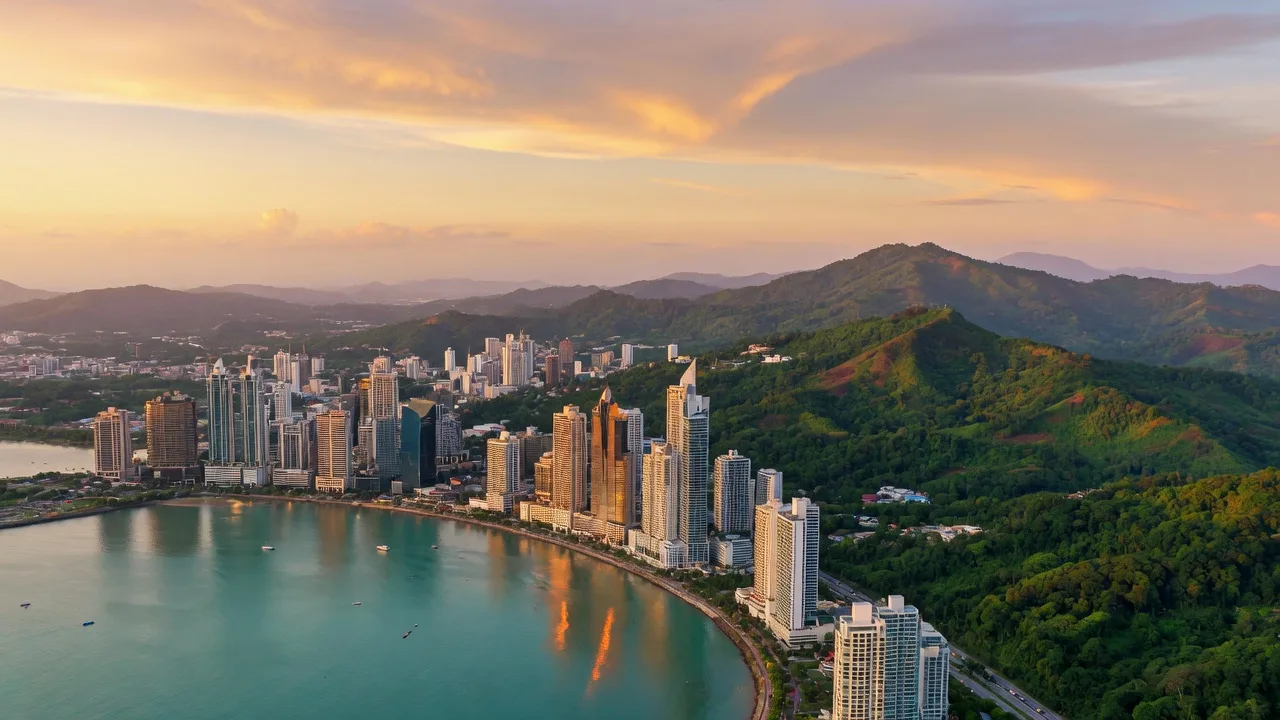
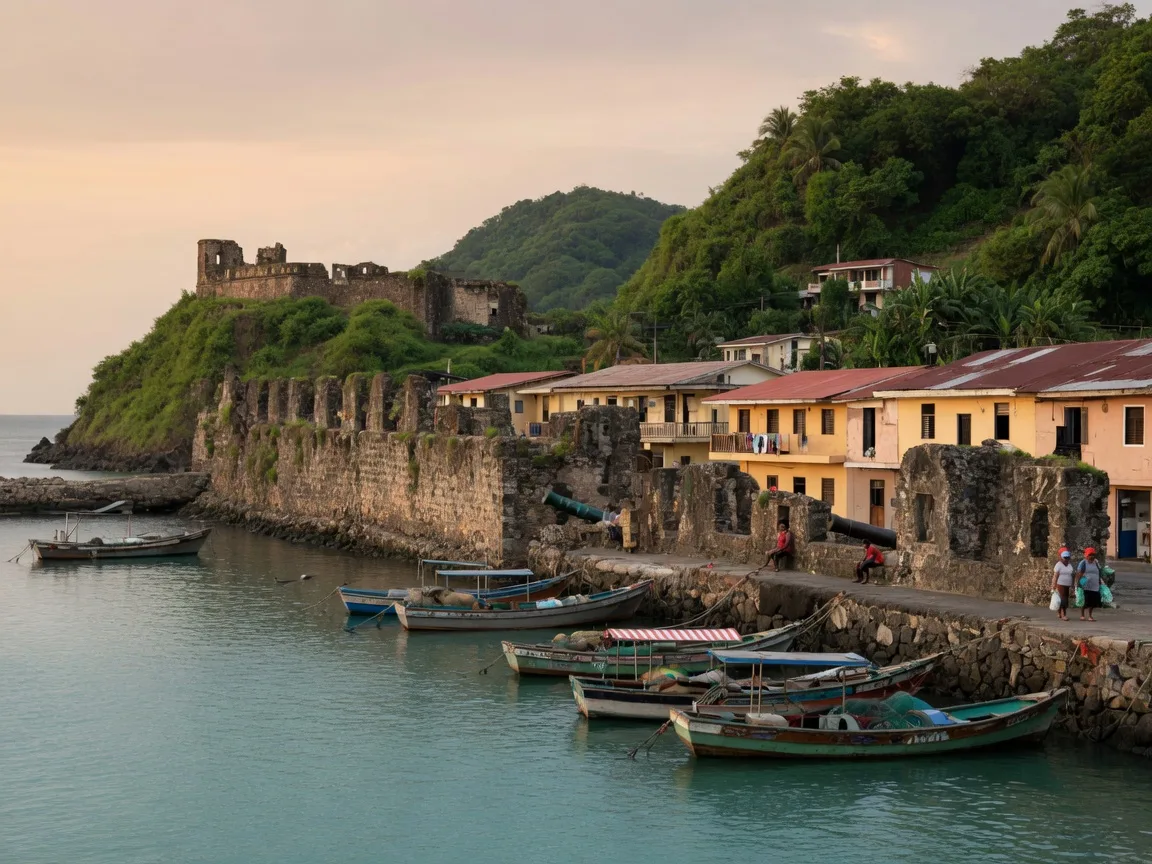
If you have never been to Panama, here is a simple way to picture it. It is a small country with a big coastline, two oceans, and a mountain spine that runs through it. The economy moves on the US dollar, so there is no separate currency to convert. Along the coasts the climate is warm and tropical, while the highlands stay cool and spring-like. That variety, together with a welcoming setup for foreign buyers, retirees, and investors, is why so many people from overseas choose Panama to live, retire, buy, or invest.
Explore the Regions
A Map of Panama, Region by Region
A single map can hold all of Panama, and this one does. The country runs west to east as a narrow band of land between two oceans, with the canal cutting through its middle. Each hotspot below marks where a market actually sits, from the Caribbean islands of Bocas del Toro to the highlands of Chiriquí and the beaches of the Azuero Peninsula. Select a region on the map to open its details, or use the numbered list beneath it.
Stylized guide map. Hotspots mark each region’s general area and are not survey-accurate boundaries.
Select a region to open its details.
Select a region on the map
Choose any hotspot on the map above to see where it is, what the climate is like, and which indicative price range to expect. The numbered list also selects each region, and the fuller guides in the section below follow the same twelve areas.
Region 10 of 12
Panama City
Punta Pacifica / Costa del Este
Luxury high-rise living by the bay
Indicative range (USD)
$500,000 - $5,000,000+
Confirm with a local source.
Climate: Coastal
Urban coastal: warm and humid year-round, with breezes off the bay
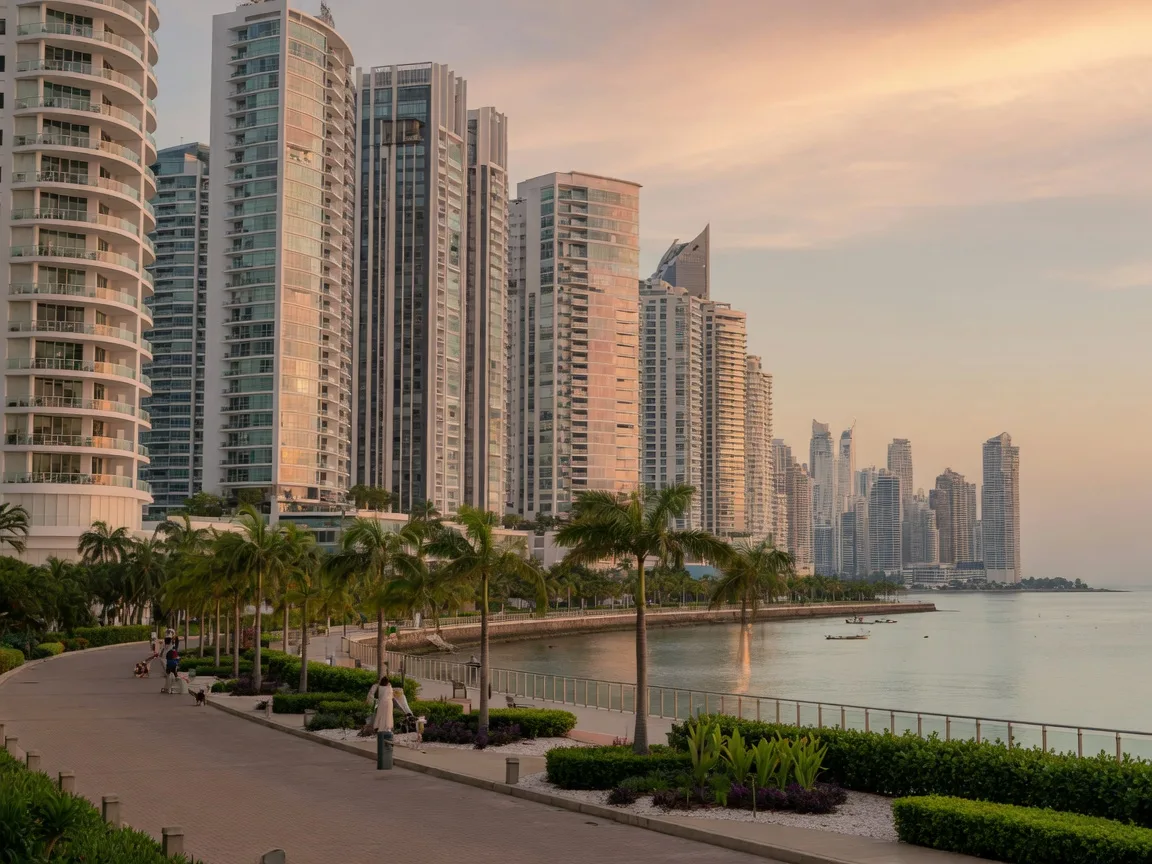
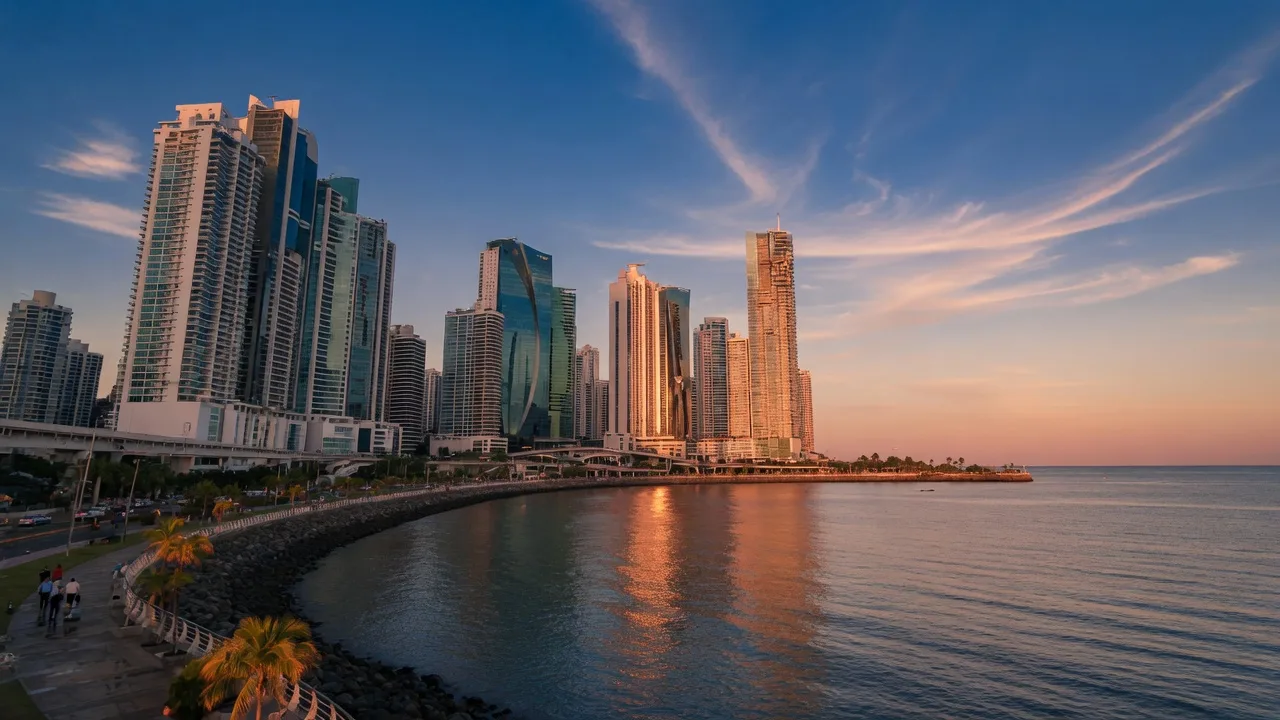
This is Panama City’s premier luxury corridor, a band of waterfront high-rises that grew up around hospitals, international schools, and modern amenities. If you want city energy with a polished finish, much of the upper end of the market sits here. The towers line the bay, and the districts feel secure, walkable, and built around a comfortable urban lifestyle.
Highlights
A waterfront high-rise corridor along the bay
Hospitals, international schools, and modern amenities close by
Holds much of the upper end of Panama’s market
Secure, walkable districts built for a comfortable urban lifestyle
Region 8 of 12
Panama City
Casco Viejo
A UNESCO historic quarter in restoration
Indicative range (USD)
$400,000 - $3,000,000
Confirm with a local source.
Climate: Coastal
Urban: warm and humid in narrow, shaded streets
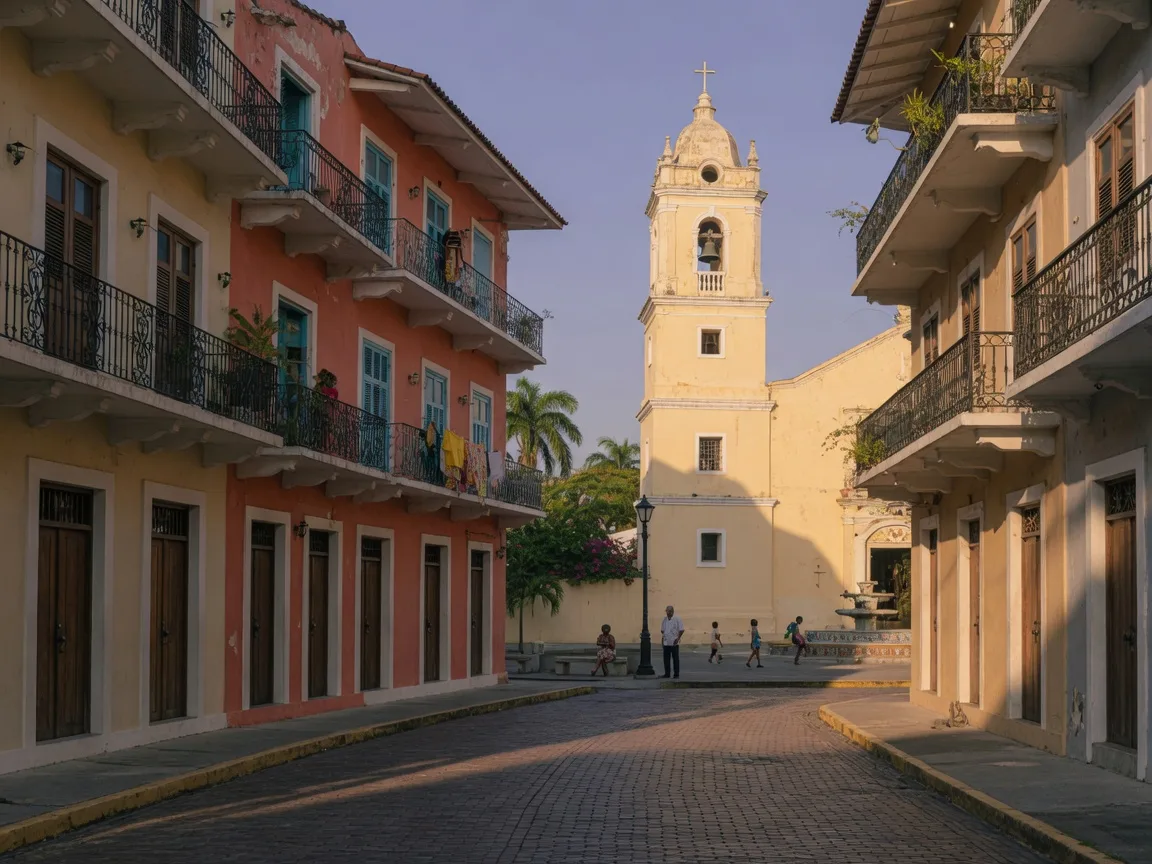
Casco Viejo is the old heart of the capital, a UNESCO-listed quarter of colonial plazas, churches, and restored facades. Buyers are drawn here for character and history rather than new construction, and many properties come as restoration projects. It is intimate and walkable, with a growing mix of boutique hotels, restaurants, and galleries, but it asks for careful attention to renovation and title.
Highlights
UNESCO-listed historic quarter
Colonial plazas, churches, and restored facades
Boutique hotels, restaurants, and galleries within walking distance
Many properties come as restoration projects
Asks for careful attention to renovation and title
Region 9 of 12
Panama City
San Francisco / Obarrio / Marbella
Walkable urban living around Parque Omar
Indicative range (USD)
$250,000 - $1,500,000
Confirm with a local source.
Climate: Coastal
Urban: warm and humid year-round
These established central districts give you city living with a neighborhood feel. Streets are walkable, restaurants and shops are close, and Parque Omar is a green anchor for recreation. A wide spread of condos and houses sits here, which makes these areas a practical balance of urban convenience and everyday livability.
Highlights
Walkable central districts with a neighborhood feel
Parque Omar as a green anchor for recreation
A wide spread of condos and houses
A practical balance of urban convenience and everyday livability
Region 7 of 12
Panama Pacifico / Playa Bonita
The corridor west of the canal
A planned community a short drive from the capital
Indicative range (USD)
$300,000 - $2,000,000
Confirm with a local source.
Climate: Coastal
Coastal: warm and humid, with distinct dry and rainy seasons
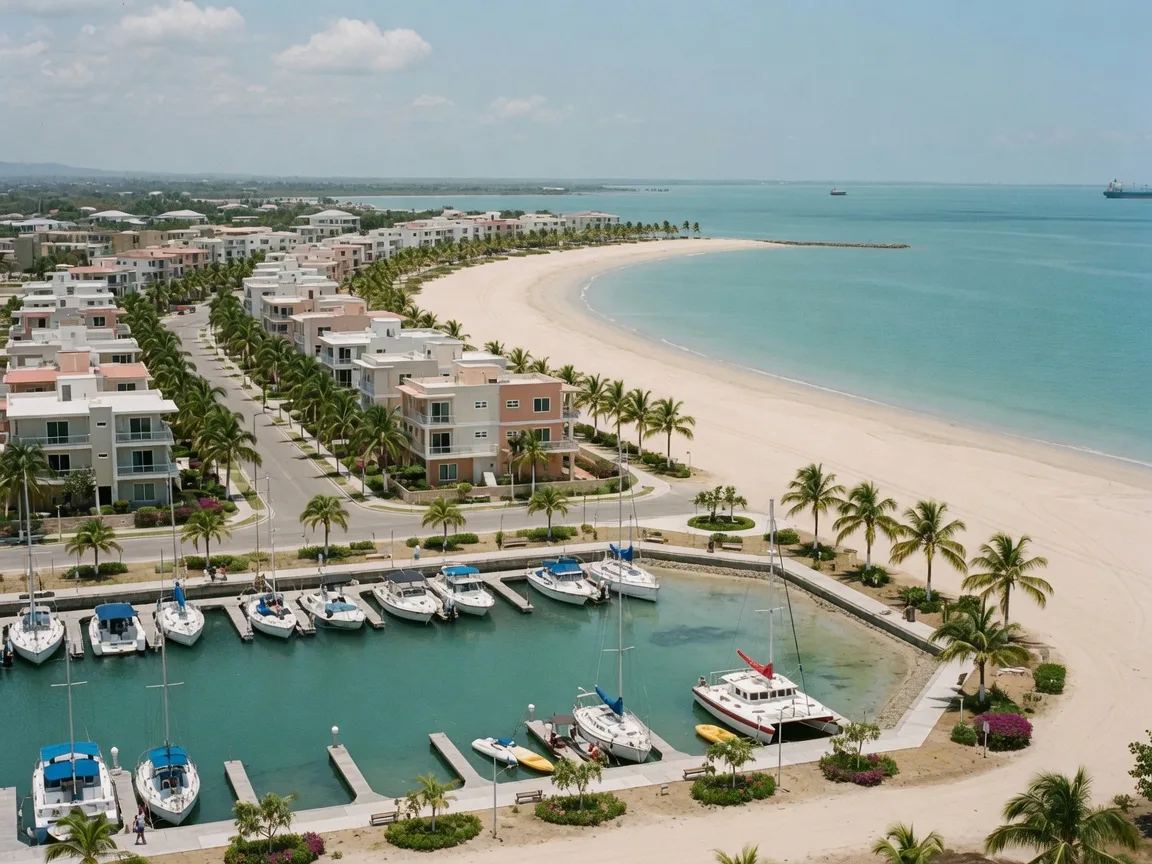
West of the canal, this corridor is built around master-planned communities, beaches, and low-rise coastal living that stays within easy reach of Panama City. It suits buyers who want a quieter, more organized coastal setting without leaving the city behind. Golf, marina, and community amenities are part of the appeal.
Highlights
Master-planned communities west of the canal
Beach and low-rise coastal living
An easy drive from Panama City
Golf, marina, and community amenities
A quieter, more organized coastal setting
Region 5 of 12
Coronado & the Pacific Beaches
The Pacific beach belt
The established expat beach corridor
Indicative range (USD)
$250,000 - $1,500,000
Confirm with a local source.
Climate: Coastal
Coastal Pacific: dry roughly December to April, rainy the rest of the year
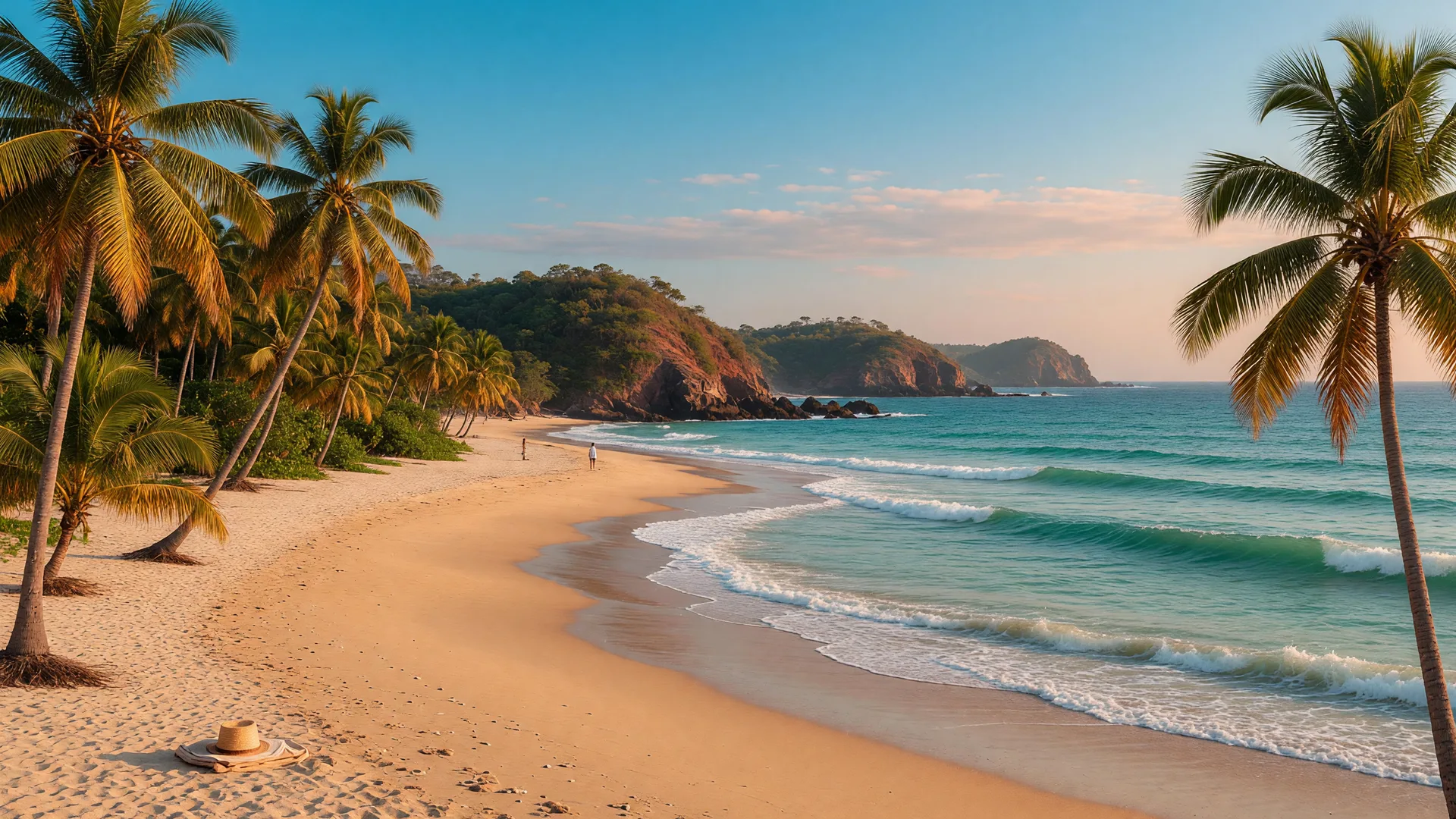
Coronado anchors a long stretch of Pacific beach towns where foreign buyers have been settling for years. You get a strong expat community, social clubs, and golf in an easygoing beach lifestyle about an hour and a half from Panama City. It is established and comfortable, with a real mix of condos, townhomes, and houses.
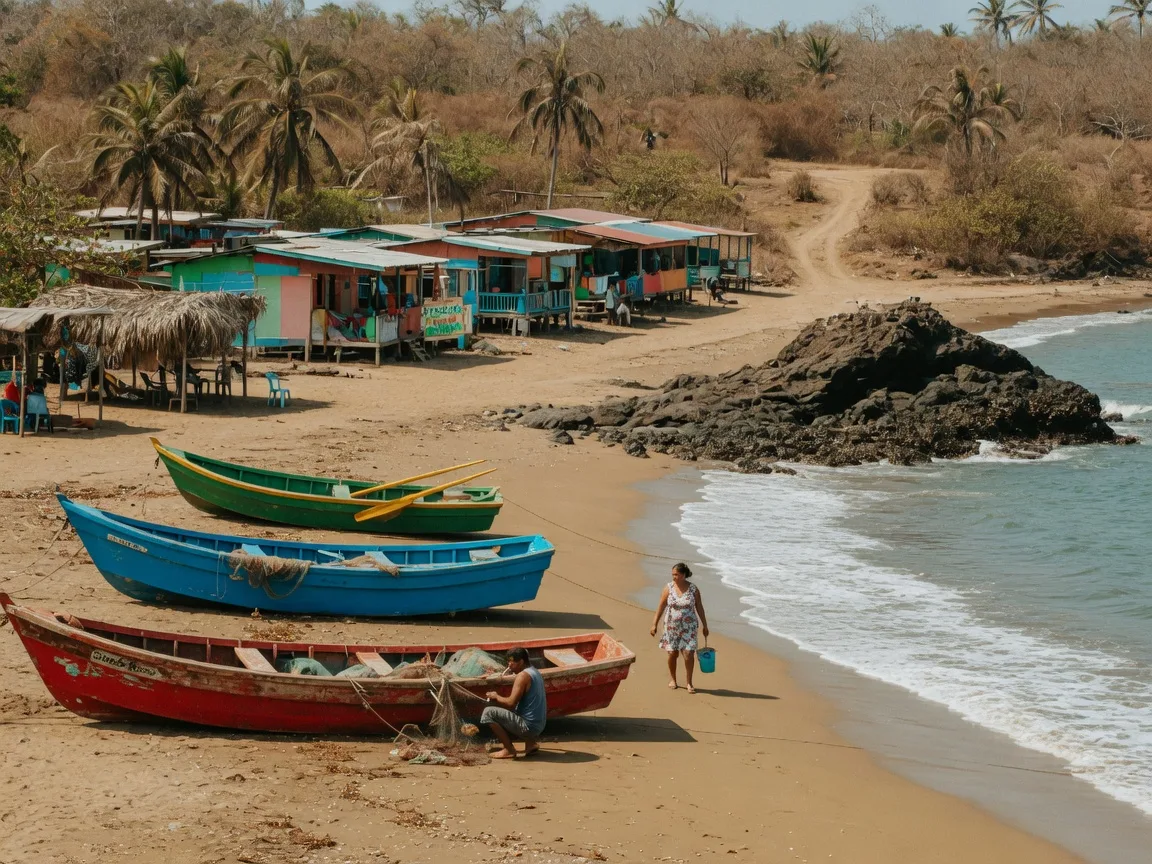
On the Azuero Peninsula, Pedasí and the nearby villages offer a more peaceful version of coastal life. This is a region of surf beaches, fishing villages, and ranching country where the pace slows down noticeably. It suits buyers drawn to nature, quiet, and the chance of oceanfront at a gentler entry, with whale watching a seasonal highlight.
Highlights
Surf beaches and fishing villages
A noticeably slower pace of life
Whale watching as a seasonal highlight
Oceanfront at a gentler entry
Region 3 of 12
Boquete, Chiriquí
The western highlands
Highland cloud forest with a spring-like climate
Indicative range (USD)
$200,000 - $1,200,000
Confirm with a local source.
Climate: Highland
Highland: cool and spring-like, with misty cloud forest and day-to-night swings
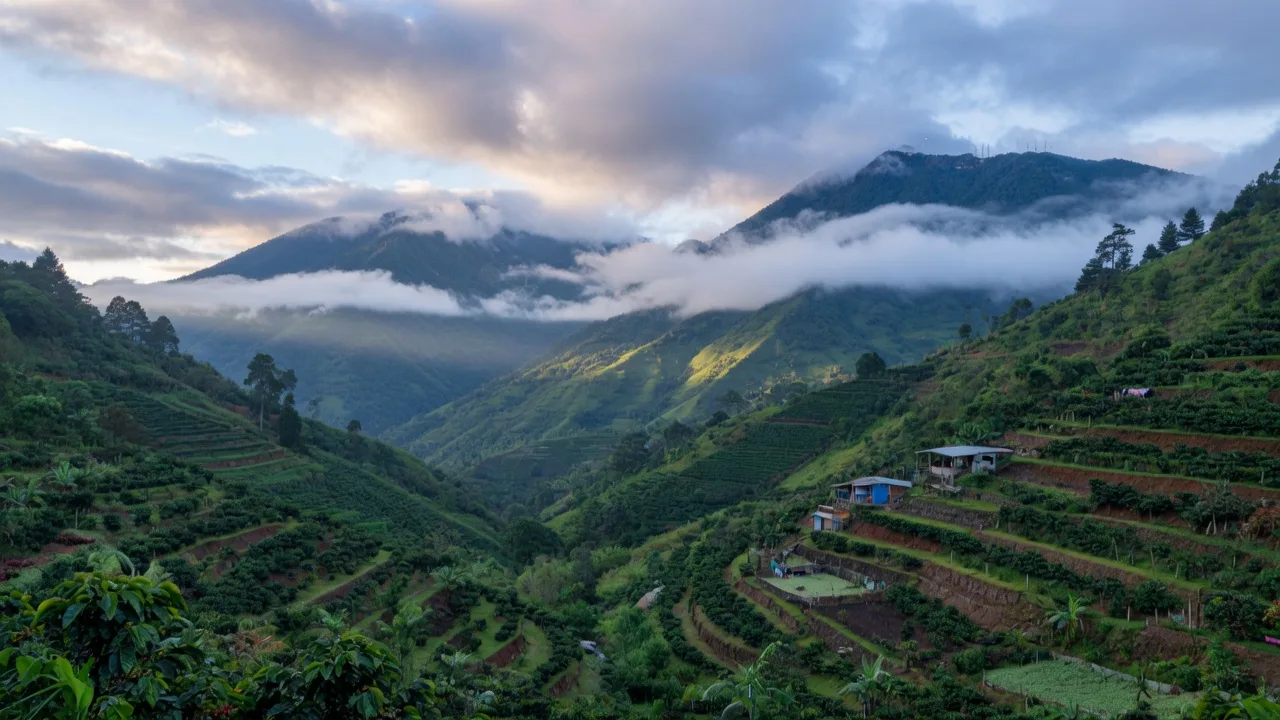
In the western highlands, Boquete sits in a river valley surrounded by cloud forest and coffee farms. Its climate is the big draw, cool and comfortable throughout the year, and it holds one of the largest expat communities in Panama. Retirees and nature lovers come for hiking, a social scene, and mountain views, though infrastructure is more modest than the city.
Highlights
A river valley surrounded by cloud forest and coffee farms
Cool and comfortable climate throughout the year
One of the largest expat communities in Panama
Hiking, mountain views, and an active social scene
Infrastructure more modest than the city
Region 2 of 12
Volcán / Cerro Punta, Chiriquí
The higher highlands
Cool, agricultural highlands at a lower cost
Indicative range (USD)
$80,000 - $350,000
Confirm with a local source.
Climate: Highland
Highland: the coolest in Panama, often chilly at night
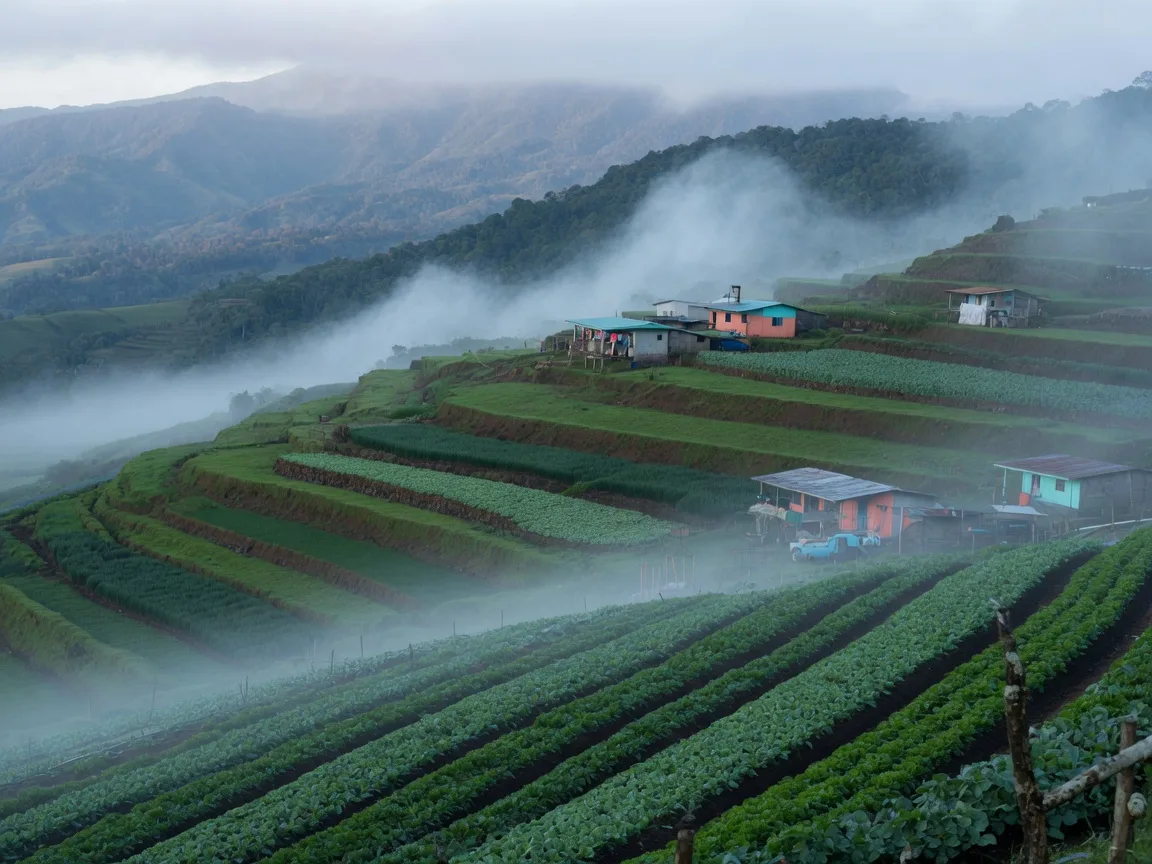
Higher and cooler than Boquete, Volcán and Cerro Punta sit on the slopes of a dormant volcano amid farm fields and vegetable and flower growers. It is the most agricultural part of the highlands, with a lower cost of entry and a genuine working rural character. Buyers here want space, fresh air, and views at a more accessible price.
Highlights
The coolest climate in Panama, often chilly at night
Vegetable and flower growers on the slopes of a dormant volcano
The most agricultural part of the highlands
A lower cost of entry and genuine rural character
Region 4 of 12
David, Chiriquí
The regional commercial hub
The working capital of western Panama
Indicative range (USD)
$120,000 - $450,000
Confirm with a local source.
Climate: Lowland
Lowland interior: warm and humid, with the highlands close by
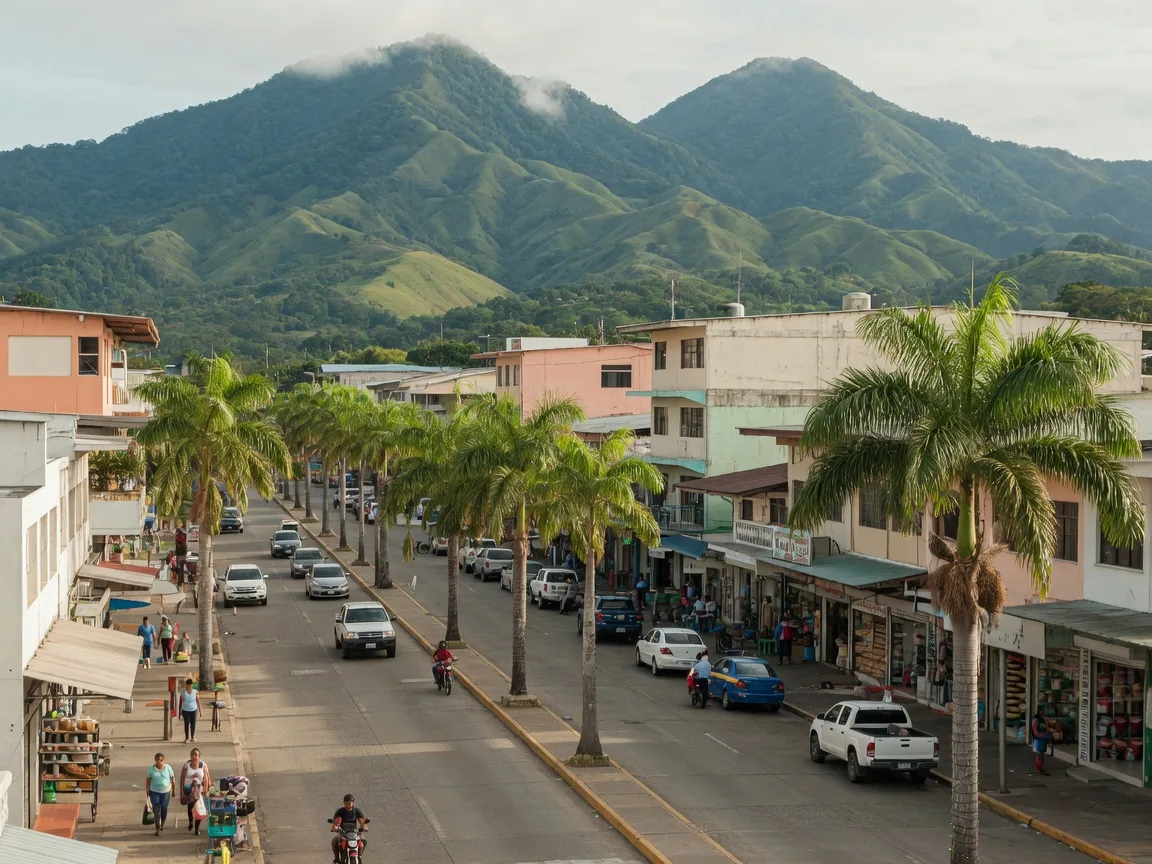
David is the largest city in western Panama, a working commercial hub with hospitals, shopping, and an airport that connects to Panama City. It is not a resort or lifestyle destination on its own, but it matters as a practical base where services, healthcare, and transport sit nearby. Prices here are generally more accessible than the coastal or highland lifestyle markets.
Highlights
The largest city in western Panama
Hospitals, shopping, and a regional airport
Air connections to Panama City
A practical base where services and healthcare sit nearby
Generally more accessible prices
Region 1 of 12
Bocas del Toro
The Caribbean archipelago
Island living built around the water
Indicative range (USD)
$250,000 - $2,500,000
Confirm with a local source.
Climate: Caribbean
Caribbean: warm and humid, with heavier rainfall through the year
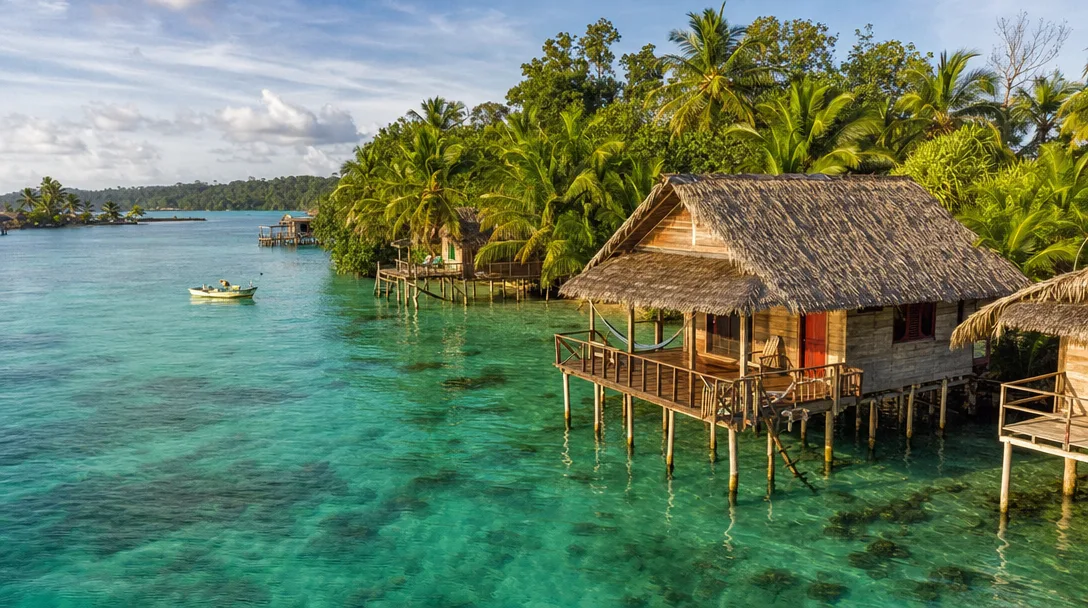
Bocas del Toro is an island chain on the Caribbean side, where daily life centers on the water, boats, and a laid-back tourism scene. It has a vibrant expat and traveler community and real variety, from affordable land to elevated waterfront homes. Access is by boat or small plane, and the Caribbean climate stays warmer and wetter year-round than the Pacific.
Highlights
A Caribbean island chain where daily life centers on the water
Arrival by boat or small plane
A vibrant expat and traveler community
From affordable land to elevated waterfront homes
Warmer and wetter than the Pacific year-round
Region 11 of 12
Isla Taboga / Pearl Islands
Islands near the capital
Beach escapes within reach of Panama City
Indicative range (USD)
$300,000 - $2,500,000
Confirm with a local source.
Climate: Coastal
Island coastal: warm and humid, with steady sea breezes
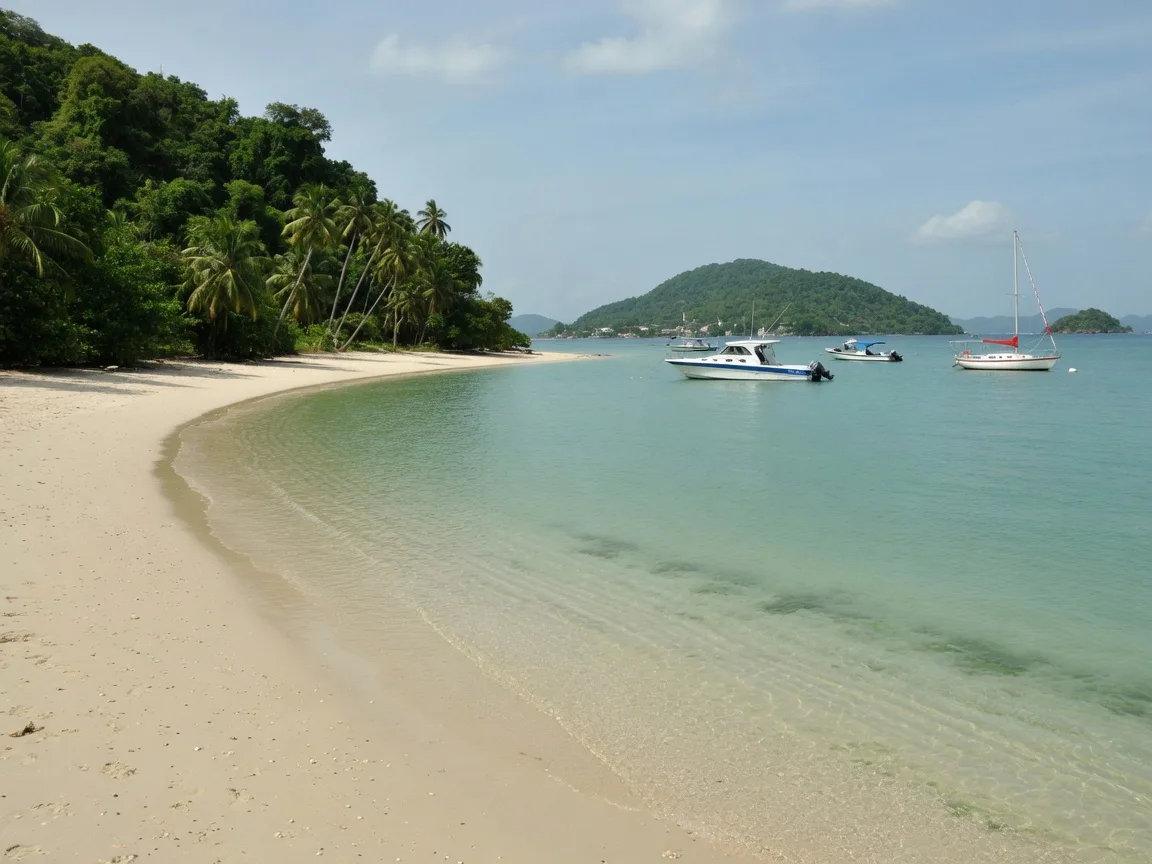
Just off the coast near Panama City, islands like Taboga and the Pearl Islands offer beach living with the capital still reachable by ferry or a short flight. The appeal is island peace with metropolitan access. Prices vary widely by island, shoreline, and development, and close access to the water is often exactly what buyers are after.
Highlights
Islands just off the coast near Panama City
Reachable by ferry or a short flight
Island peace with metropolitan access
Prices vary widely by island, shoreline, and development
Region 12 of 12
Portobelo / Costa Arriba
Caribbean historic coast
A quieter coast with a lower entry
Indicative range (USD)
$150,000 - $600,000
Confirm with a local source.
Climate: Caribbean
Caribbean: warm and humid, with heavy rainfall
On the Caribbean coast beyond Colón, Portobelo and the Costa Arriba are quieter and less developed, with a deep history of Spanish forts and a slow coastal character. It is one of the more affordable coastal settings in Panama, suiting buyers who want a tropical, off-the-beaten-path feel and are comfortable with basic infrastructure and access.
Highlights
A quieter Caribbean coast beyond Colón
Spanish forts and a slow coastal character
One of the more affordable coastal settings in Panama
Basic infrastructure and access to plan around
Find Your Region
Where Foreign Buyers Purchase in Panama
Panama is not one place, it is many. Below are the regions where international buyers most often look, each with a short overview, a climate note, and an indicative price range. Treat every figure as a starting point for conversation, not a fixed number; local conditions vary and should be confirmed with a trusted source on the ground.
Panama City
Punta Pacifica / Costa del Este
Coastal
Luxury high-rise living by the bay
This is Panama City’s premier luxury corridor, a band of waterfront high-rises that grew up around hospitals, international schools, and modern amenities. If you want city energy with a polished finish, much of the upper end of the market sits here. The towers line the bay, and the districts feel secure, walkable, and built around a comfortable urban lifestyle.
$500,000 - $5,000,000+Indicative range. Confirm with a local source.
Urban coastal: warm and humid year-round, with breezes off the bay
Casco Viejo is the old heart of the capital, a UNESCO-listed quarter of colonial plazas, churches, and restored facades. Buyers are drawn here for character and history rather than new construction, and many properties come as restoration projects. It is intimate and walkable, with a growing mix of boutique hotels, restaurants, and galleries, but it asks for careful attention to renovation and title.
$400,000 - $3,000,000Indicative range. Confirm with a local source.
These established central districts give you city living with a neighborhood feel. Streets are walkable, restaurants and shops are close, and Parque Omar is a green anchor for recreation. A wide spread of condos and houses sits here, which makes these areas a practical balance of urban convenience and everyday livability.
$250,000 - $1,500,000Indicative range. Confirm with a local source.
A planned community a short drive from the capital
West of the canal, this corridor is built around master-planned communities, beaches, and low-rise coastal living that stays within easy reach of Panama City. It suits buyers who want a quieter, more organized coastal setting without leaving the city behind. Golf, marina, and community amenities are part of the appeal.
$300,000 - $2,000,000Indicative range. Confirm with a local source.
Coastal: warm and humid, with distinct dry and rainy seasons
Coronado anchors a long stretch of Pacific beach towns where foreign buyers have been settling for years. You get a strong expat community, social clubs, and golf in an easygoing beach lifestyle about an hour and a half from Panama City. It is established and comfortable, with a real mix of condos, townhomes, and houses.
$250,000 - $1,500,000Indicative range. Confirm with a local source.
Coastal Pacific: dry roughly December to April, rainy the rest of the year
On the Azuero Peninsula, Pedasí and the nearby villages offer a more peaceful version of coastal life. This is a region of surf beaches, fishing villages, and ranching country where the pace slows down noticeably. It suits buyers drawn to nature, quiet, and the chance of oceanfront at a gentler entry, with whale watching a seasonal highlight.
$200,000 - $1,000,000Indicative range. Confirm with a local source.
In the western highlands, Boquete sits in a river valley surrounded by cloud forest and coffee farms. Its climate is the big draw, cool and comfortable throughout the year, and it holds one of the largest expat communities in Panama. Retirees and nature lovers come for hiking, a social scene, and mountain views, though infrastructure is more modest than the city.
$200,000 - $1,200,000Indicative range. Confirm with a local source.
Highland: cool and spring-like, with misty cloud forest and day-to-night swings
Higher and cooler than Boquete, Volcán and Cerro Punta sit on the slopes of a dormant volcano amid farm fields and vegetable and flower growers. It is the most agricultural part of the highlands, with a lower cost of entry and a genuine working rural character. Buyers here want space, fresh air, and views at a more accessible price.
$80,000 - $350,000Indicative range. Confirm with a local source.
Highland: the coolest in Panama, often chilly at night
David is the largest city in western Panama, a working commercial hub with hospitals, shopping, and an airport that connects to Panama City. It is not a resort or lifestyle destination on its own, but it matters as a practical base where services, healthcare, and transport sit nearby. Prices here are generally more accessible than the coastal or highland lifestyle markets.
$120,000 - $450,000Indicative range. Confirm with a local source.
Lowland interior: warm and humid, with the highlands close by
Bocas del Toro is an island chain on the Caribbean side, where daily life centers on the water, boats, and a laid-back tourism scene. It has a vibrant expat and traveler community and real variety, from affordable land to elevated waterfront homes. Access is by boat or small plane, and the Caribbean climate stays warmer and wetter year-round than the Pacific.
$250,000 - $2,500,000Indicative range. Confirm with a local source.
Caribbean: warm and humid, with heavier rainfall through the year
Just off the coast near Panama City, islands like Taboga and the Pearl Islands offer beach living with the capital still reachable by ferry or a short flight. The appeal is island peace with metropolitan access. Prices vary widely by island, shoreline, and development, and close access to the water is often exactly what buyers are after.
$300,000 - $2,500,000Indicative range. Confirm with a local source.
Island coastal: warm and humid, with steady sea breezes
Portobelo / Costa Arriba
Caribbean historic coast
Caribbean
A quieter coast with a lower entry
On the Caribbean coast beyond Colón, Portobelo and the Costa Arriba are quieter and less developed, with a deep history of Spanish forts and a slow coastal character. It is one of the more affordable coastal settings in Panama, suiting buyers who want a tropical, off-the-beaten-path feel and are comfortable with basic infrastructure and access.
$150,000 - $600,000Indicative range. Confirm with a local source.
Arranged from lowest indicative entry to highest, this ladder shows how dramatically the market spreads across Panama. Every figure below is indicative and should be confirmed with a local source before you rely on it. Click a row to jump to that region.
Price ranges are indicative only. Market conditions, location, and property type vary widely. Confirm with a local source.
Climate & Elevation
Highland, Lowland, or Coast: The Core Lifestyle Choice
In Panama, elevation changes your climate far more than the calendar does. Whether you feel cool mountain air or warm coastal air is largely a question of how high you live, and that single decision shapes almost everything else about your day. It is often the first question worth answering before you choose a property.
Coastal
The Pacific coast, the islands, and Panama City sit at low elevation with a warm, humid climate. Along the Pacific, the weather breaks into a drier season around December to April and a wetter season the rest of the year. Being at the coast usually brings cooling breezes.
Highland
The Chiriquí highlands, around Boquete, Volcán, and Cerro Punta, are cooler and often wrapped in cloud forest. Days feel mild and evenings turn cool, sometimes chilly. This is the biggest lifestyle contrast in Panama for many buyers: the mountain climate is a large part of why people choose it.
Caribbean
On the Caribbean side, around Bocas del Toro and the Costa Arriba, the climate is warm and humid with more rainfall spread through the year. The rhythm of dry and rainy seasons is less pronounced than on the Pacific coast.
Lowland interior
Inland and low-lying areas such as David stay warm and humid, with easy access to the cooler highlands a short drive away. This interior setting is practical for services while leaving the mountains close at hand.
The rainy and dry seasons
Panama generally moves between a drier period and a wetter period rather than four seasons. On the Pacific side, dry weather tends to cluster from around December to April, with the rest of the year wetter. The Caribbean side, including Bocas del Toro and the Costa Arriba, tends to stay wetter and more even through the year. Elevation matters too: in the highlands, cool and misty conditions can arrive at any season. When you plan a visit, try to see a region in both its dry and its wet character before you decide.
For Foreign Buyers
What to Know Before You Buy in Panama
Buying in a country you are still getting to know brings natural questions. Here are honest, plain-language answers to the ones we hear most often, without overselling anything.
A US-dollar economy
Panama uses the US dollar alongside the locally minted balboa, which circulates alongside it at par. For buyers coming from the United States, that means everyday prices and larger deals are quoted in a currency they already know, without a separate exchange step at the country level.
Foreigners can hold titled property
For most real estate in Panama, foreigners can hold titled property in their own name. There are limits: land within a set distance of the borders, and certain coastal and island land, may fall under different arrangements such as a concession or ROP, rights of possession, rather than full title. Understand the difference between titled, ROP, and concession land, and have a Panamanian attorney verify the status of any property before you commit. This is not legal advice, and the rules deserve professional review in your specific case.
Residency pathways for retirees and remote workers
Panama offers residency pathways designed for retirees and, increasingly, for remote workers. These programs are a common reason international buyers look at Panama in the first place, and they can shape how you plan a move. Specific programs and requirements change and each situation differs, so work with qualified immigration counsel rather than relying on general information.
A regional connecting hub
Tocumen International Airport is the main gateway of the region, with direct flights to many cities in the United States and beyond. For buyers who split their time between Panama and home, that level of connectivity makes frequent travel far more practical.
Rainy and dry seasons
Panama generally trades between a dry season and a rainy season rather than four distinct seasons. Along the Pacific coast the dry months tend to cluster around December to April, while the Caribbean side stays wetter and more even through the year. Elevation changes temperatures more than the calendar does, which is why so many buyers weigh climate heavily when choosing a region.
We Don’t Start With the Property. We Start With You.
Figuring out where in Panama fits your lifestyle is the first step, and it works best with a guide who knows every region, not just one listing. We give you the good, the bad, and the reality, then help you move forward with confidence. Reach out any time, no pressure and no obligation.
The information on this page is provided for general guidance only and is not legal, tax, or immigration advice. Property ownership rules, residency programs, and tax treatment in Panama are subject to change and vary with each situation. Price ranges shown are indicative and not offers or valuations. You should confirm all property and residency matters with licensed Panamanian professionals before making any decision.
Get the Latest Panama Property Opportunities
Panama Property Experts
Get the Latest Panama Property Opportunities
Stay updated on new listings, beachfront properties, investment opportunities, market insights, and standout real estate across Panama, delivered directly to your inbox.